

Part 1: All you need to know about your body’s immune response and the new mRNA and DNA-Adenovirus COVID-19 Vaccines

What does inoculate mean?
transitive verb. 1a : to introduce immunologically active material (such as an antibody or antigen) into especially in order to treat or prevent a disease
Vaccines have been around for several decades saving lives and preventing widespread infection. In order to understand and appreciate how far we have come in our vaccine innovation today, we must learn how we got here.
What happens to your body under attack ?
Disclaimer: Really cool, military style jargon used proceed with caution ⚠️ ☣️😎
The enemy – Bacteria, fungi, viruses, and other pathogens 🦠 (disease-causing organisms) are all around us. On most surfaces, we interact with, in the air, and even in your body(ie good gastrointestinal bacteria – the probiotics that are resident in your gut playing a critical role in digestion while doing other cool stuff 🙂 )
While there are really good bacteria and microbes, most viruses, fungi, and other pathogens are harmful to your body and can lead to serious illness and even death.
The good part though is that your body is pretty intelligent and well equipped to deal with a variety of intruders. The skin, mucus, and cilia (microscopic hairs found in your nose and trachea that trap and move debris away from the lungs) all work as physical barriers to prevent pathogens from entering the body in the first place.
However, when a pathogen manages to slip through the cracks and bypass this rather intense protective shield put up by your body something interesting happens. An alarm is sounded (not literally 😂 – maybe the alarm is the headache ?), blood flow is increased, the body gets a little warmer than usual (the fever) and the infantry (antibodies) usually in the billions is deployed from the yellow bone marrow military base to combat the intruder.
Quick Fact sheet: Antibodies and Antigens
An antibody is a protein produced by the immune system that is capable of binding with high specificity to an antigen. Antibodies are produced by specialized white blood cells known as B lymphocytes (or B cells for short).
Antigens are typically other proteins, but may also be carbohydrates, small molecules or even nucleotides. They are a subpart of the pathogen (such as the spike protein) and are very unique and specific to each pathogen.
Antibodies are pretty cool as they bind specifically to a unique epitope on the antigen, thereby allowing the detection and attack of a specific protein while avoiding detection of unrelated proteins- such as those belonging to your body
Antibodies for one pathogen do not typically work on other pathogens unless the two pathogens are somewhat alike eg twin siblings or even cousins
In the event a foreign molecule invades your body for the first time, specialized cells (your Intelligence Operatives) such as macrophages and dendritic cells capture the molecule and break it down so that it can present these antigens to B cell lymphocytes.
Once this has occurred a process known as Somatic Hypermutation allows the B cell to begin coding (building the right soldier that will be part of the infantry going to fight the enemy) for a new antibody that will contain a unique Antigen Binding Site in the variable region that is capable of binding to an antigen.
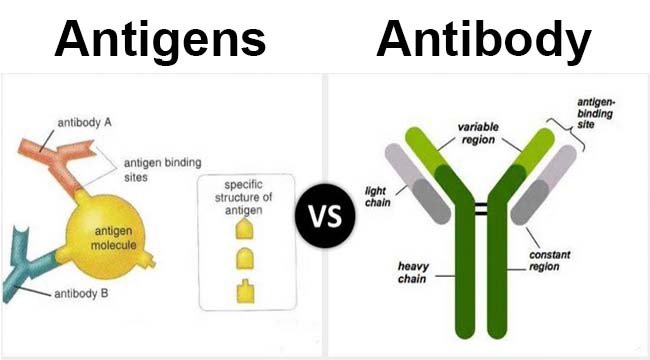
When antibodies with sufficient specificity to the pathogen can be encoded, the B cell begins to release antibodies into the bloodstream. These antibodies then bind specifically with the foreign molecule and allow the immune system to eliminate the molecule from the system.
Because your body’s infantry is really powerful it manages to overwhelm and destroy the enemy. However, your body is pretty intelligent too, it realizes that it took a pretty long time and loads of hard work to identify the enemy, produce enough infantry, and eliminate the threat while juggling other vital tasks.

Therefore, to simplify its work the next time the same intruder enters the body, the B-cells also produce antigen-specific antibody memory cells. These cells contain all the critical information about the enemy and stay long after the threat has been eliminated. They are produced in order to help the body re-group faster and effectively combat the enemy in the event the body is exposed to the same pathogen more than once.
It is on this entire response that vaccines are based off.
Military Jargon ends here 😇
How do Vaccines Work?
Vaccines teach your body how to respond to a threat. Traditionally, there are four ways vaccines were developed.
The two earliest methods included introducing your body to a weakened or dead virus, these two methods have served the medical industry for decades and are what the MMR and flu vaccines respectively are based off. Later on, two new methods were discovered – Toxoid and Protein Subunit introduction.
Toxoid vaccines work by injecting your body with a toxin usually made by the pathogen. This elicits an immune response to the harmful toxin and not the pathogen. Tetanus vaccines work this way.
Protein subunit vaccines, such as the recombinant Hepatitis B and HPV vaccines, are made by inserting the genetic code for the antigen into yeast cells, which are relatively easy to grow and capable of synthesising large amounts of protein. These yeast cells form the base of the vaccines.
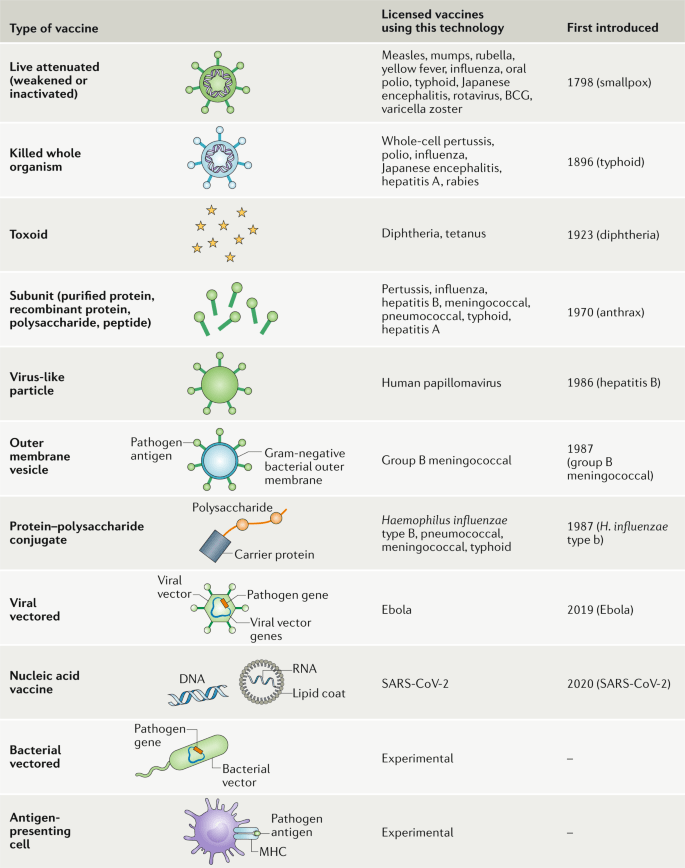
All these various vaccines have been very effective in eliciting an immune response and have played a significant role in helping teach your body how to combat harmful pathogens that would cause severe illnesses and worst of all death.
The problem however is that these types of vaccines are relatively more complicated to research and develop, take longer to manufacture, and are pretty expensive.
Take for instance the Protein Subunit Vaccine manufacturing method as referenced from Gavi.org :
All subunit vaccines are made using living organisms, such as bacteria and yeast, which require substrates on which to grow them, and strict hygiene to avoid contamination with other organisms.
The precise manufacturing method depends on the type of subunit vaccine being produced. Protein subunit vaccines, such as the recombinant hepatitis B vaccine, are made by inserting the genetic code for the antigen into yeast cells, which are relatively easy to grow and capable of synthesising large amounts of protein. The yeast is grown in large fermentation tanks, and then split open, allowing the antigen to be harvested. This purified protein is then added to other vaccine components, such as preservatives to keep it stable, and adjuvants to boost the immune response – in this case alum
mRNA and DNA Vaccines: The Big Deal
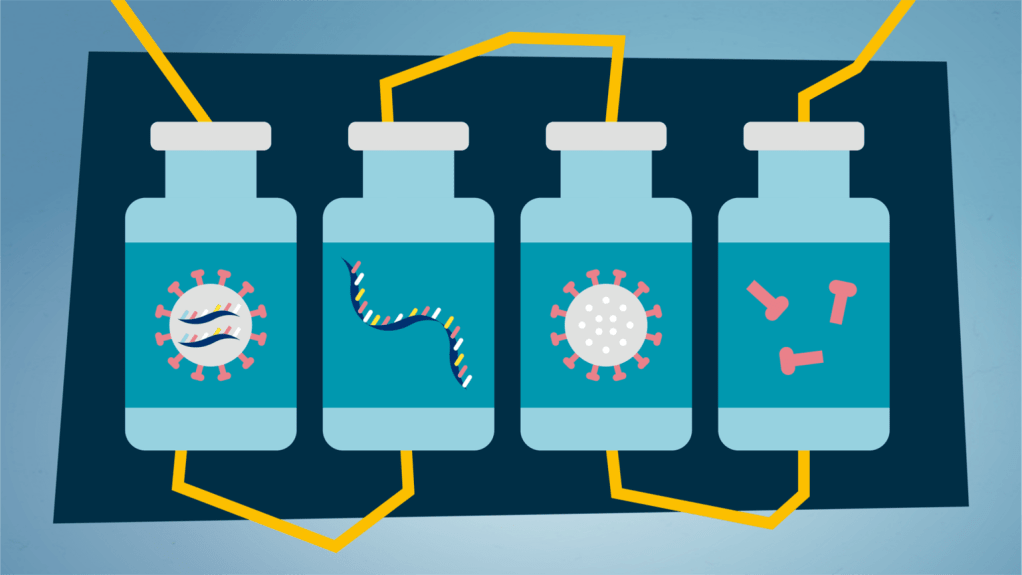
In the United States, it takes about 5-10 years for a vaccine to be approved for administration by the Food and Drug Administration (FDA). Most COVID-19 vaccines have found a way to speed up the process by overlapping phases of the human trials, licensing, manufacture and distribution. Others have found ways to do all this but also speed up the long, complicated and expensive Research and Clinical Development phase.

This is due to a breakthrough innovation that studies how your body manufacturers proteins and allows scientists to shift much of the clinical development outside the lab and into your body.
mRNA Vaccines
Nearly all processes in the body involve proteins. Your body’s DNA sequence contains instructions on how to make up most of the proteins in your body. This happens through a single strand of the DNA sequence in your body known as messenger RNA or mRNA that contains instructions on how to manufacture a particular type of protein your body needs. This mRNA strand is read by your body’s cells and they proceed to make that protein.
It is on this process that the Pfizer-BioNtech and Moderna vaccines work. Scientists studied the genetic DNA sequence that makes up the COVID-19 they then particularly focused on the part of the sequence that makes the distinct spike proteins of the virus that allows it to enter your cells. They then took the mRNA strand that makes the spike protein and injected this genetic code into your body.
Once in the body, your cells recognize and read the mRNA strand in the vaccine and manufacture harmless spike proteins of their own which are similar to that of the COVID-19 virus. This allows your body to invoke an immune response towards these spike proteins and learn how to effectively fight the virus.
The problem though, is that mRNA strands breakdown relatively quickly, hence they must be coated in a protective fatty barrier that must be maintained at low temperatures. This is not ideal for vaccines that must be distributed to every corner of the world.
DNA- Adenovirus vaccines
Another breakthrough innovation is the DNA vaccine. Instead of using mRNA, much more robust and resilient DNA is used. It does away with the protective fatty barrier and ultra-cold temperatures required to prevent the vaccine from breaking down.
The AstraZeneca and Johnson and Johnson Vaccines are of this type. The only drawback of this vaccine is that the DNA cannot be directly injected into your body, instead, the DNA is injected into a harmless virus that serves as a carrier. This virus along with other ingredients and stabilizers of the vaccine is injected into your body to trigger an immune response.
The only drawback, however, is that over time your body will develop resistance to the carrier virus and make future vaccinations with the same carrier less and less effective. Therefore, in the near future researchers will have to keep updating the carriers to prevent this resistance from occurring.
To wrap up…
In terms of speed, efficacy, and innovation these new types of vaccines have broken records. They have significantly improved our understanding of the COVID-19 virus while allowing us to advance our vaccine research. This will go a long way in helping us better teach our bodies how to fight future viruses while giving us the confidence in knowing that we have what it takes to overcome this and future pandemics.
Dig Deeper with these resources
A guide to vaccinology: from basic principles to new developments – nature.org
Understanding mRNA COVID-19 Vaccines – CDC.gov
How do vaccines work? – WHO
How Nine Covid-19 Vaccines Work – NY times
The history of vaccines – historyofvaccines.org
How we develop new vaccines – gsk
Vaccine Types – hhs.gov
Memory B Cell – Science Direct
How are Antibodies Produced? – Pacific Immunology
 Sparky Science