
EATING TO TRASH THE PLANET!

Examining one of the WORLD’S DUMBEST problems and how we can solve it with the hope of ending WORLD HUNGER!
Reducing food loss and waste 

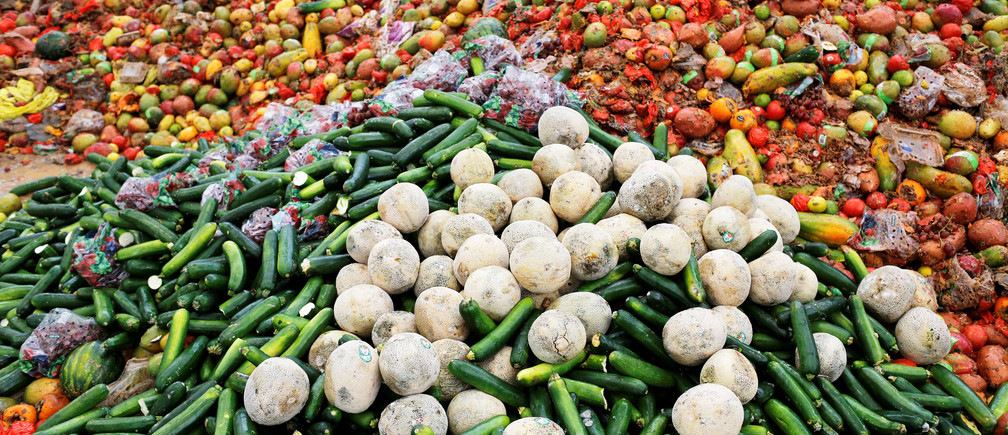
World Hunger is on the rise; yet, an estimated 1/3 of all food produced globally is lost or goes to waste. We all have a part to play in reducing food loss and waste, not only for the sake of the food but for the resources that go into it.

Food and Agriculture Organization
of the United Nations (FAO)

Understanding the difference between Food Loss and Food Waste

Food loss and food waste over the past few years has indeed become a matter of great concern. Much so, that it has come to be highlighted in high stake meetings. The 2030 Agenda for Sustainable Development highlighted the problem as an issue that required our full attention. Not only because it has a massive effect on our current and future livelihoods, but also because it is one of humanities dumbest yet easy to fix problems. 

The Target 12.3 of the Sustainable Development Goals calls for halving per capita global food waste at retail and consumer levels by 2030, as well as reducing food losses along the production and supply chains. 

What is Food Loss and how does it differ from Food Waste?

Well according to FAO:

Food loss is the decrease in the quantity or quality of food resulting from decisions and actions by food suppliers in the chain, excluding retailers, food service providers and consumers. 

Empirically, it refers to any food that is discarded, incinerated or otherwise disposed of along the food supply chain from harvest/slaughter/catch up to, but excluding, the retail level, and does not re-enter in any other productive utilization, such as feed or seed. 

Food loss, as reported by FAO in the : the Food Loss Index (FLI) and the Food Waste Index (FWI) FLI, occurs from post-harvest up to, but not including, the retail level.

Food waste refers to the decrease in the quantity or quality of food resulting from decisions and actions by retailers, food service providers and consumers.

Food and Agriculture Organization of the United Nations (FAO)
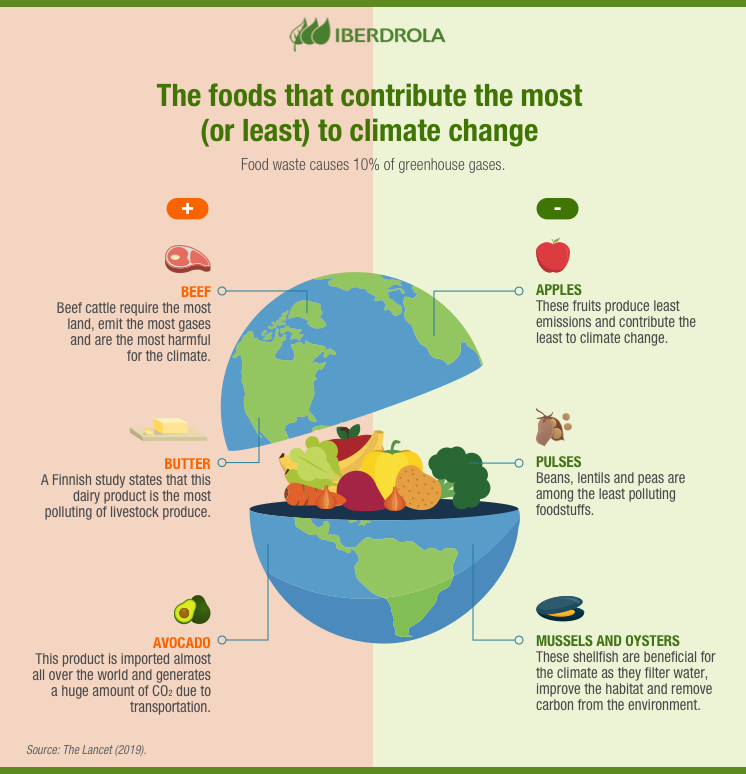
Infographic on Food Waste and the climate. Courtesy: Iberdrola

What about the climate?

Glad you asked!

When we think about climate change, many at times we think, about large industries and their effluents, vehicles, construction and their overwhelming carbon footprint. We seldom look at the Agriculture and Food industry, in particular all the food that gets wasted and its implications on the environment.

In the US alone, roughly 40% of all food produced, never gets eaten, thatโ€™s about 365 million pounds of food a day, and on an even larger scale, globally 1/3 of all food produced goes to waste. 

Now think about all the land use, chemicals, pesticides, water and processing that goes into growing and producing food.

See, it’s tragic!

We are trashing our planet to grow food that no one will even eat.

Emmy-nominated conservation scientist Dr. M. Sanjayan

Thatโ€™s not food that someone munches and throws away, but food that is produced and is never ever touched and just goes to waste.

While thatโ€™s happening, let us remember that there are millions of people worldwide that hardly ever see a plate of food or easily put, go hungry every single day, yet thereโ€™s more than enough food to feed them.

The science behind the climate impact:

Well it’s pretty simple, when this food we never consume goes into large dumpsters, it begins to decay and produce Methane, CH4. One of the worldโ€™s most deadly polluters and contributors to green house warming.

Of all the greenhouse gases, methane is one of the most potent because of its ability to efficiently absorb heat in Earthโ€™s atmosphere. Studies have shown that, over a 20-year period, a kilogram of methane warms the planet as much as 80 times more than a kilogram of carbon dioxide.

 Popular mechanics.com

This especially worrying scientifically, knowing that methane lasts for about a decade in the atmosphere, which upon combing with a free Hydroxyl radical turns into Carbon Dioxide, which can last in the atmosphere for centuries!

If global food waste was a country it would be the third largest emitter of greenhouse gases, right behind the US and China.

What’s the price?

In an interesting article by Forbes that I read in reference to FAO’s video on food waste(find it in the resource library) ๐Ÿ“š I discovered some nice facts and figures for all of you economic enthusiasts!

If you consider the global impact of food waste:

30 percent of the global food supply is wasted – the retail equivalent of $1 trillion of food each year, says the Food and Agriculture Organization (FAO) of the UN.

The FAO’s second video of their Food Wastage Footprint project explains that, in addition to the retail cost of food lost, another $700 billion is also thrown out in natural resources, including $172 billion in wasted water, $42 billion in cleared forest and $429 billion in related greenhouse gas costs.

But what is most shocking to me are the social costs the FAO determined are also linked to rotten food.

Wasted food results in $150 billion in human health costs related to the use of pesticides (which also implies that the health costs of using chemicals on the 70% of food we actually eat totals at least an additional $350 billion a year).  $280 billion in loss of livelihoods (as natural resources become more scarce) is also tossed out the window when we throw away food.

This article was written by Beth Hoffman a writer at Forbes who focus on changing the food system, and the economic findings alone are definitely alarming.

That is definitely a hefty price to pay.

Dumpster Diving!

Dumpster diving is salvaging from large commercial, residential, industrial and construction containers for unused items discarded by their owners, but deemed useful to the picker.

Acccording to Wikipedia (I know, never trust Wiki alone, but its just a definition, read on :))

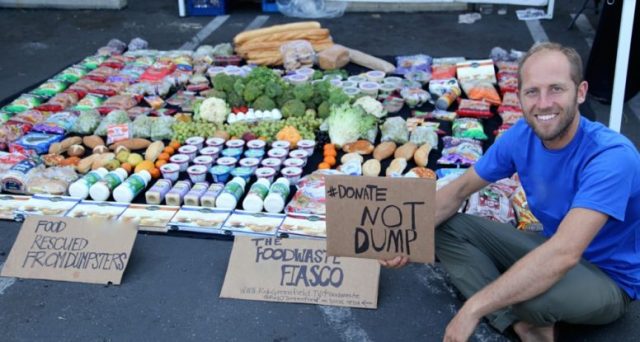
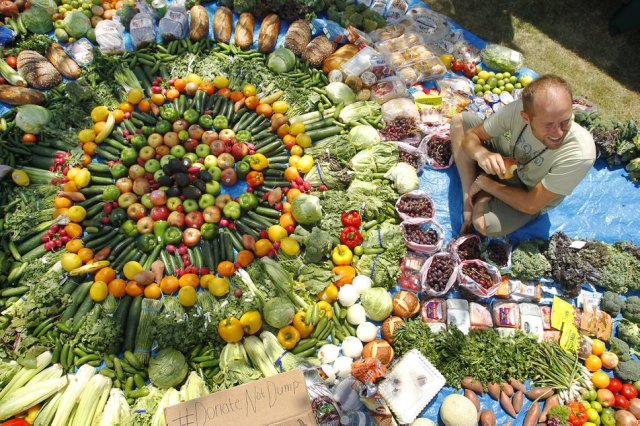
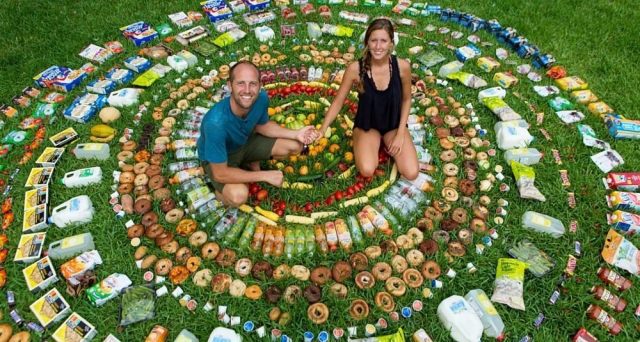
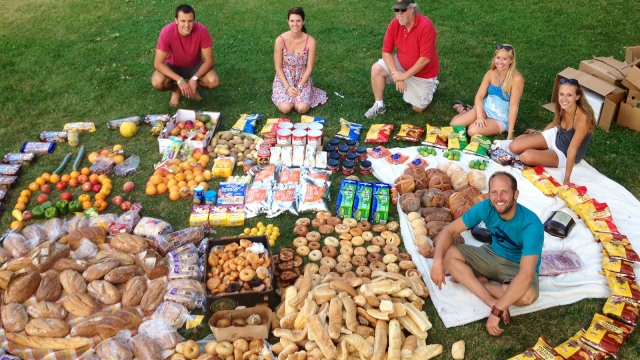
To prove that all the food that gets wasted is untouched and can be consumed, here are a few pictures I found:)

Most of which are from the RobGreenfield foundation. He founded this organization after cycling through the entire of the United States, and has lived off the grid for several years. He is an environmental enthusiast, who has taken more baths under waterfalls than in a house with piped water. More importantly, he has lived almost entirely off food that has been trashed in the dumpster.

I have linked his TED talk at the end of this article!
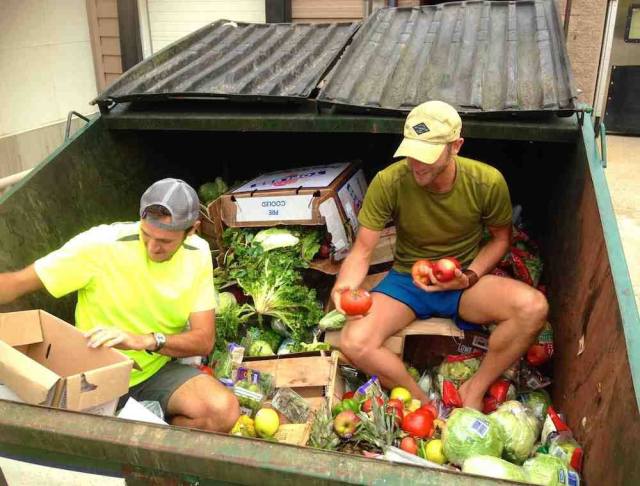
If you look keenly, this is high quality food that is completely untouched, that can feed hundreds yet it all finds its way in the bins.

Well how can we fix it? What can we do?

The Solutions and Ideas ๐Ÿ’ก

First of all, we must come together and recognize that this is a grave issue in our homes and in our communities as majority of the food waste, is contributed by consumers. The average household in the US spends about $1500 per year on food that is wasted. This is food that comes into our homes, that we probably munch on or dump in the fridge and ends up going bad and soon enough we toss it out.

This is both our fault and the fault of the industries that manufacture refrigerators. Over the last few years, refrigerators have increased in size and volume, enticing us to buy more and store more. Most of the food, we buy we really do not need at the time. A study was done that proves that  we are more enticed to buy foods while we are at the grocery store and we feel like we really need it, but once we have the food and get home we realize we didnโ€™t really need all that much as such. Itโ€™s also been studied that once the food goes in the refrigerator, it loses its value and we end up not consuming as much as, we constantly stock up and fill up the space in the refrigerator. 

We just do not want to see empty space in our refrigerators, and once food is in there, we stock up more and more while some of the food earlier placed begins to go bad. 

I mean some of us are even shocked when we find a particular food or drink in the refrigerator, that we did not even know existed until that day.

This is just one thing we need to fix.

We could also reduce the size of plates and completely eliminate trays in institutions such as schools and places of works. The average size of the plate has tremendously grown in the last few years and has encouraged us to put more food on our plates, thinking that we need that much while in reality some of us struggle to finish an entire plate of food that we earlier put heaps of food on.

A study was conducted at the University of California Santa Cruz, where Jill Horst, the Director of residential dining services at the institution got rid of trays in 2009 and started serving in portions. They allowed the students to serve as much as they wanted but only as much as their plates could carry. The result is, the food waste per person reduced by almost half. If you think in large scale terms, where the university serves 13,000 people. Itโ€™s a remarkable 5000 pounds of food, saved per day that would otherwise have been wasted.  (More in the Video Resources tab courtesy: Vox)

However, in the near future the best plan and alternative would be to take the food that is wasted and build up streams and channels that could get this food to where itโ€™s needed.

This is something that each and everyone of us needs to think through and work together to achieve!

I invite you to share your amazing ideas in the comment section and we can think through and discuss them together!

Below are two ways we can think through it one is local and the other is soon to be global.

Partnering to Reduce Food Waste in Kenya by TechnoServe

Waste Less. Feed More. by Copia (More on this in the Vox video)

In conclusion, this is a problem that is really easy to fix and that can better our planet and feed everyone in our communities.

Resources

MIT’s Foodcam automatically alerts people when food is up for grabs – Business Insider

Food Loss and Food Waste – FAO

Sustainable Development Goals -FAO

A new diet to combat the climate crisis -Iberdrola

Climate Lab -University of California

Video Resources

Just Eat It! A food waste story.

Food waste is the world’s dumbest problem – Vox

Rob Greenfield’s Ted Talk

FAO video on Food Waste and its footprint

LIFE FORCE

My reflections on the future of energy and a call for ideas on how we can make the most out of the resources we already have and those that are yet to come.

Humanityโ€™s hunger for energy has greatly risen over the last few years and will only continue to rise over the next few decades. With the dramatic increase in population over the last few years and the projected growth in technology , we are about to witness an increased demand for more power like never before in human history.

Our excessive use of energy through the extraction of coal, natural gas and petroleum oil, is very concerning as it has devastated the environment. 

Energy production is a very sensitive topic given its impact on technology, economics and politics. Nonetheless, this is a topic that needs to be addressed immediately. Rampant oil production and usage raises the issue of global sustainability and the urgent need for climate action. The decisions we make now about how we use natural resources will impact all future generations. 

I am hoping that we can address the following questions on the topic: First, what measures can we take to satisfy the growing demand for energy? Second, how can we make energy transportation more efficient and ensure it reaches even the most remote places in the world. Third, I would like us to explore ways in which the world can run entirely on affordable and accessible renewable energy and technologies, such as the Travelling Wave Reactor under development by the Terrapower company.

In conclusion, the words of the famous inventor, Thomas Edison, come to mind when he said, โ€œIโ€™d put my money on the sun and solar energy, what a great source of power! I hope we donโ€™t have to wait until oil and coal run out before we tackle that!โ€ 

What if the only other way out was to look towards quantum physics and harness energy on an even larger scale than the sun in a world new to us? I think that would be worth it!


Feel free to respond to some of those questions in the comment section or even comment and ask more questions on the same

Social Distancing

How we can flatten the COVID-19 curve

The Infection Trajectory

Coronavirus COVID-19 Global Cases by the Center for Systems Science and Engineering (CSSE) at Johns Hopkins University https://gisanddata.maps.arcgis.com/apps/opsdashboard/index.html#/bda7594740fd40299423467b48e9ecf6

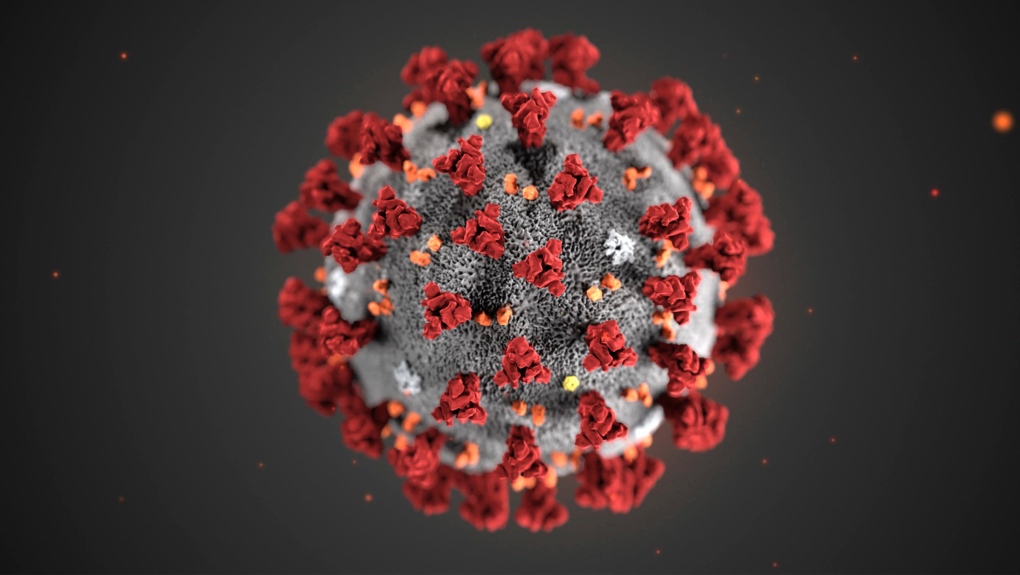
This is a live data sheet and map of the declared pandemic COVID-19. Today the virus has spread rapidly all over the world and has hit 6 of the 7 continents on our planet; but, in some parts of the world, the situation is getting better and here’s whyโ€ฆ

Life’s Cancelled ๐Ÿ˜ฆ

No more sports, IMAX movies, school, parties, or events. No more gossiping at the office or meeting your friends at the club. NOTHING. Just curfew. Just you, your close family, your pet, and of course, Netflix. Maybe some online classes too:(

Basically everything that makes life interesting for us social beings has to be sacrificed in an effort to combat this life threatening virus ๐Ÿฆ  that has ravaged the world and continues to be highly infectious: but, it’s all for a good cause.

“Fighting the Coronavirus depends on you”

Dr. Tedros Adhanom Ghebreyesus ( WHO DIRECTOR GENERAL)

COVID-19 Case Fatality

On March 11th 2020, the WHO declared the Coronavirus a global pandemic, meaning that there was no possible way to control it or to stop its spread across the world despite potential to slow it down.

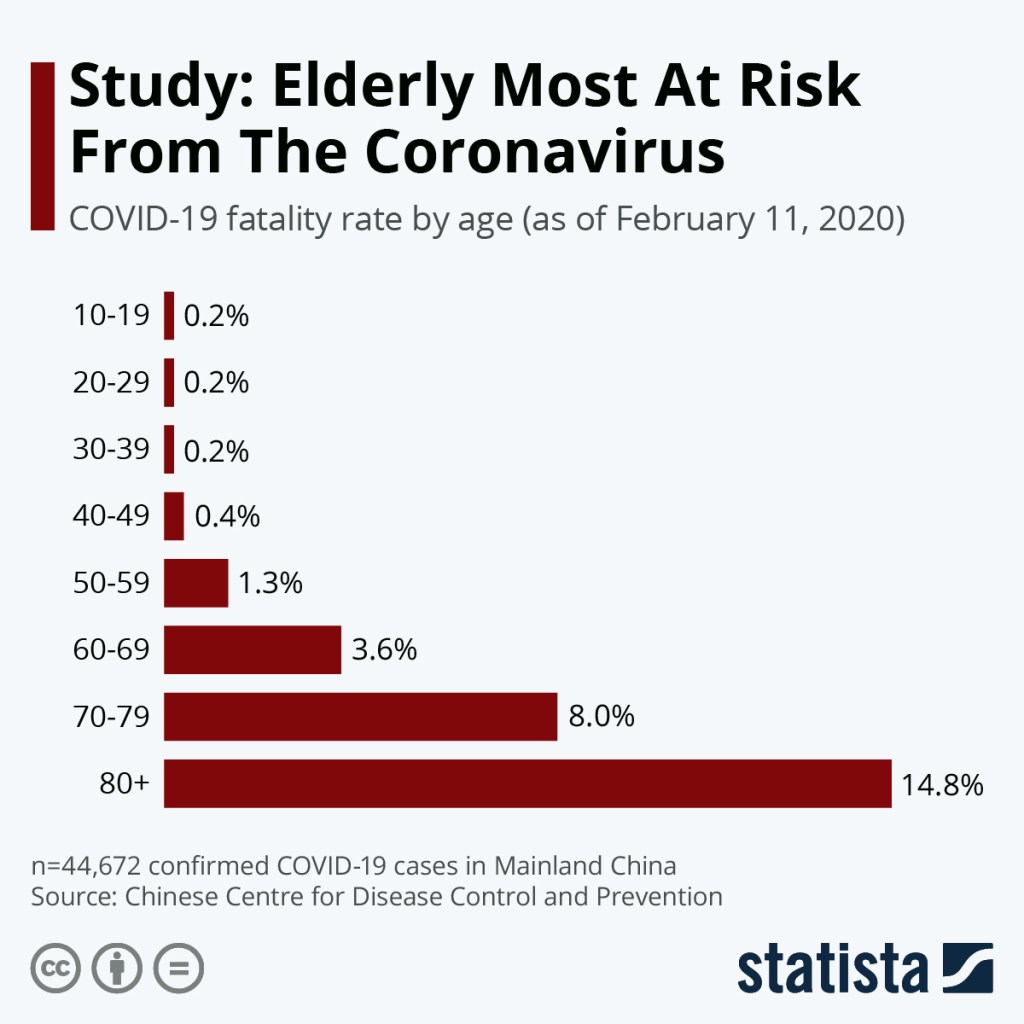
For those who have come into contact with the virus and have been infected, the Centers for Disease Control (CDC) reports that 80% of the cases are mild leading up to mild pneumonia, while 20% of the remaining cases can lead up to severe respiratory problems with 1-2% proving fatal.

That fatality rate is much lower for younger people and relatively higher for older people. This is reflected in Italy wherea much higher proportion of the population is older, causing it to be the worst hit country by the virus in Europe.

Courtesy: Statista

It also seems that people with underlying chronic health problems have a harder time fighting the virus and are more at risk of dying. 

Today, the Coronavirus is deemed more contagious than the flu as the virus is spread by airborne particles transmitted by coughing, sneezing, or touching a surface on which the virus still lives and then touching your eyes, nose or mouth.

After getting infected, it could take an average of 5-7 days before you feel sick and the symptoms begin to show. During this phase, one is able to spread the virus rapidly from one person to another without knowing it. 

“We cannot say this loud enough, but all countries can still change the course of this pandemic.”

Dr. Tedros Adhanom Ghebreyesus ( WHO DIRECTOR GENERAL)

Health Systems

Diseases begin to become fatal when everyone seeks medical attention at once, overwhelming health systems. 

In any hospital at any given time, the capacity to provide medical treatment for potentially fatal diseases depends on the number of beds available. 

Already, some of these beds are occupied by people from accidents, people with ongoing medical treatments caused by heartattacks, stroke and the likes. This leaves behind a limited number of beds that would be important when an emergency occurs per the day.

Now, take the case of a healthy person who goes to the office and catches the virus. He or she feels okay as the symptoms have not began to show. This person then gets on a subway where they proceed to infect three other people. Afterwards, he/she decides to go out to a basketball game or a social gathering where another group of people catch the virus. One of the newly infected might be elderly and gets a severe case and has to be hospitalized, while the rest are asymptomatic and go on spreading the virus.

Over time, this increases the number of severe cases being reported at the hospital, filling capacity and limiting its ability to attend to the rapidly growing number of  cases being reported at the hospital. In addition to the extreme Coronavirus cases, the hospital still has to care for patients suffering from other potentially fatal accidents. This is when the chaos really begins, as otherwise avoidable deaths occur due to the influx of people going to the hospital.

This is where you come in. Yes, you the healthy person. 

Social Distancing: Definition

According to newscientist.comSocial distancing practices are changes in behaviour that can help stop the spread of infections. These often include curtailing social contact, work and schooling among seemingly healthy individuals, with a view to delaytransmission and reduce the size of an outbreak.

This simply implies no more going to school, the office or your local football match. Instead, we encourage: working from home, closing schools and promoting distance learning, and cancelling sports tournaments. In some cases, such as in New Jersey, implementing curfews can help keep people indoors and limit the spread of the virus.

The End Result?

By encouraging social distancing, we are able to greatly reduce the number of healthy people being exposed to the virus at any one time. This easily decongests our hospitals and allows them to treat active cases and other accidental cases. This means that the number of cases reported in hospitals per day greatly reduces so doctors and nurses can adequately tend to patients.

See why it starts with you? Yes, you reading this. 

Case scenario of flattening the curve

This is why, in countries such as China, the number of emerging cases has greatly reduced and the same can happen over time in other countries. Below is a chart showing the curve beginning to take a dip:

Just hours ago, the Director General of the WHO announced that countries such as South Korea have begun to witness fewer emerging cases. The same can happen in other countries if they implement this strategy and continue to track, test, and treat their citizens to take control of the situation as soon as possible.

This must be the strategy of every health system to help put an end to the pandemic

Addressing Particular Concerns*

First of all, do not wear a mask unless you are sick or attending to someone who is sick. When you wear masks and you are healthy, you not only reduce the supply for the sick and health practitioners, but you also increase the sense of hysteria for people around you.

Second, climate does not affect the Coronavirus. From the evidence so far, the COVID-19 is at home in hot and humid weather, as well as the cold. You could try having a very hot bath โ€“ but that wouldn’t do much either, according to the WHO. Your body temperature will not be affected greatly by normal changes in outside temperature, which means the coronavirus will always be comfortable.

Third, here are some other hygiene and self-care myths the WHO has been keen to clear up include:

  1.  There is no evidence that regularly rinsing the nose with saline has protected people from infection with the new Coronavirus.
  2. Spraying alcohol or chlorine all over your body will not kill viruses that have already entered your body.
  3. Antibiotics do not work against viruses, only bacteria.

Lastly, several claims that the virus ๐Ÿฆ  cannot affect Africans are false and dangerous as one doctor says, โ€œThe disease affects all people indiscriminately,โ€ she said adding, โ€œNo, Africans are not immune to Coronavirus.โ€ [Geriatrics specialist Dr Stella Mutali ] So, Africans or black people are not immune to the Coronavirus!


When will we get a vaccine?

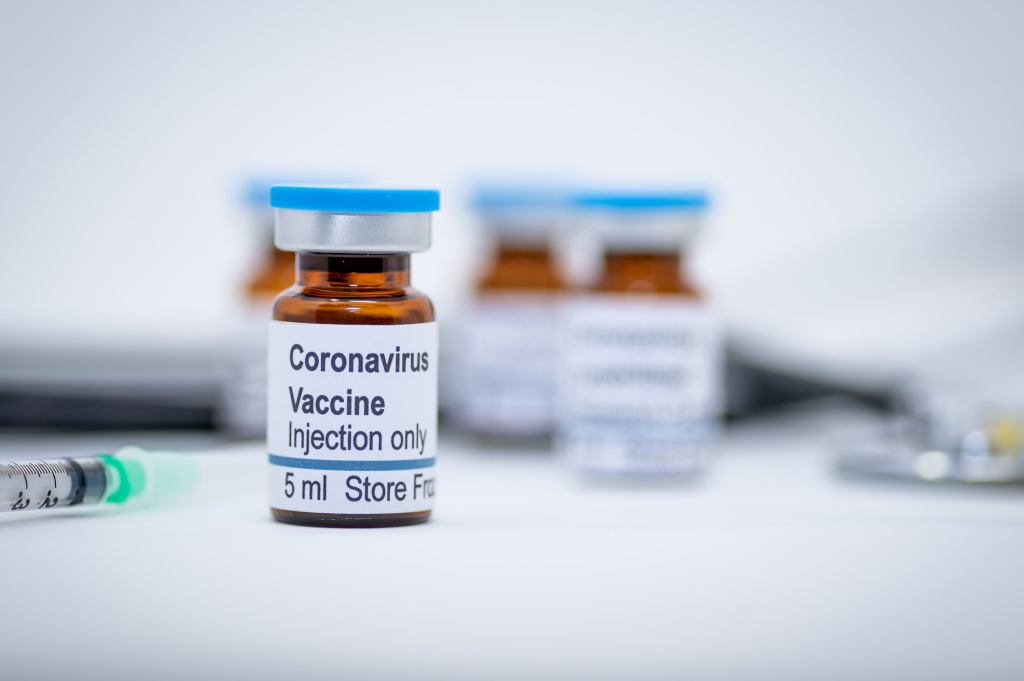
Courtesy: GettyImages

Concerns about whether we will get a vaccine for the virus soon are quickly growing, but its important to note that a vaccine must go through significant testing before it is dispatched for mass use.

Sixty days ago scientists in China shared the gene sequence for the Coronavirus and scientists in labs all over the world have been racing to make a vaccine. One vaccine has already begun its phase one testing, and if it passes all subsequent stages, it is expected to be in mass production and use about a year from now

For many emerging viruses, the medical industry has not been able to allocate its time and resources to making vaccines for them, because its deemed unprofitable. Why? If you consider viruses such as MERS-Cov and SARS-Cov, they do not have vaccines, because these Coronaviruses completely disappear after some time until a new strand emerges. This is unprofitable for pharmaceutical companies, because any new vaccine that cures only this kind of Coronavirus may not be needed long-term. 

That is why with this virus, scientists are working around the clock to find a vaccine that can both prevent this current virus (COVID-19) and other future Coronaviruses.

What can I do now?

Well, you can catch up on Netflix, work from home, catch up on online classes and, of course, ensure you are using smart hygienic practices. This means washing your hands often, avoid touching your face, sanitizing your phone, maintaining social distance.

That’s all for now! Stay Safe! See you soon and feel free to ask questions in the comment section!

Resources

Flattening the COVID-19 Curves – Scientific American

Coronavirus: What is social distancing and how do you do it?

Read more: https://www.newscientist.com/article/2237664-coronavirus-what-is-social-distancing-and-how-do-you-do-it/#ixzz6H3sK4zBk

Coronavirus outbreak: Everything you need to know about social distancing

Videos

Explains everything way better! Must watch
Wash your Hands!!

The New Coronavirus

The Coronavirus and what no one is talking about!

The Novel Coronavirus (nCoV)

According to the World Health Organization (WHO), the Coronaviruses (CoV) are a large family of viruses that cause illness ranging from the common cold to more severe diseases such as Middle East Respiratory Syndrome (MERS-CoV) and Severe Acute Respiratory Syndrome (SARS-CoV)A novel coronavirus (nCoV) is a new strain that has not been previously identified in humans.  

The Coronaviruses are zoonotic, this means that they can and will be easily transmitted between animals and people. Years ago, around the early 2000s investigations show that the SARS-CoV was transmitted from civet cats to humans and MERS-CoV in 2012 was found to be from dromedary camels to humans. It is important to note that today, several known Coronaviruses are still in existence and circulate in animals but have not yet infected humans.

The typical signs and symptoms of the viral infection include sever respiratory issues, fever, cough, shortness of breath along with other breathing difficulties. In more severe cases, infection can cause pneumonia, kidney failure and even death.

All this scary but where did this new strain ‘seem’ to emerge from?

The Untold Story

New data suggest the Coronavirus may not have originated in Wuhanโ€™s seafood market and that China probably knew that weeks ago.

The lack of transparency could have hurt containment efforts and could prolong the outbreakโ€™s impact.

CCN NEWS – Laura Hoy

Today not only has the virus spread, with statistics showing that the death toll has risen by more than 250 people and more than 12000 infections.

Courtesy: abcnews

The virus can be spread by one person to another even before the symptoms show.

An Interactive map showing the growth of the virus in realtime: As of Feb 2, 2020

Above is an interactive map that allows one to be able to see the live active cases of the Coronavirus and its spread worldwide this Interactive map can be accessed here to see the latest statistics about the deadly virus, you could even click the image.

The untold story however is that this virus is known to have first been detected on Chinese soil in early December. The Chinese government however did not however disclose any information about the first known case to the public as it ‘run’ investigations.

The first case of this virus was however first discovered two months ago, on December 8th, 2019. It took that long before the Chinese government stopped downplaying the seriousness of the outbreak and started giving the kind of information that could save lives. By this time however, millions of Chinese citizens had passed through the affected region and been infected by the deadly virus.

China: Covering the Coronavirus Contagion | The Listening Post (Full)

It all started in Wuhan China a seafood market. On January 18th, 2020 the people of Wuhan were invited to a pot-locked dinner attended by many families in Wuhan. What they did not know however is that two weeks earlier scientists in Hong Kong however had already flagged the emergence of a new strain of the Coronavirus but no one in that banquet had a clue of what was going on.

No one can control the growth of a pandemic but in a country like China what they can control is what people know about it.

China: Covering the Coronavirus Contagion | The Listening Post (Full)

The scientists warned that the virus could be spread from person to person but the people in Wuhan knew nothing about it the media, which is mainly controlled by the government was not talking about it.

The government had the ability to control what was going on to the media and social media sites too. The government was infact arresting people who were posting about the Coronavirus, on the allegation that they were spreading rumors.

Overtime several leaks and rumors started to make it out to the public many of which were spread through WeChat which has more than a billion users.

People began to spread rumors, that say the virus was engineered in a lab and that it could be prevented by drinking bleach and having supplements such as Vitamin C.

By January 20th however the death toll was rising and the number of known cases was growing not only locally but also worldwide, forcing the Chinese government to come clean about what they knew. The next weeks would witness the spreading at an unprecedented rate, with cases in more than 10 countries. The WHO then declared it a worldwide epidemic that needed immediate attention.

The truth?

The truth is that the virus originated from seafood market in Wuhan China, in this market certain wildlife was also known to be sold illegally

On February 2, officials in Hubei said the virus had a 96 percent concordance with an already-known bat-borne coronavirus. Chinese scientists had previously mentioned snakes as a possible source.

This is however another situation where governments and its restraints on the media continue to accelerate situations that would otherwise easily be addressed if action was taken earlier.

In the early 2000s with the MERS-CoV the government held the details of the outbreak for 6 months before it could be declared a deadly epidemic.

Where do we go from here though?

The WHO advises us to do the following:


WHOโ€™s standard recommendations for the general public to reduce exposure to and transmission of a range of illnesses are as follows, which include hand and respiratory hygiene, and safe food practices:

  • Frequently clean hands by using alcohol-based hand rub or soap and water;
  • When coughing and sneezing cover mouth and nose with flexed elbow or tissue โ€“ throw tissue away immediately and wash hands;
  • Avoid close contact with anyone who has fever and cough;
  • If you have fever, cough and difficulty breathing seek medical care early and share previous travel history with your health care provider;
  • When visiting live markets in areas currently experiencing cases of novel coronavirus, avoid direct unprotected contact with live animals and surfaces in contact with animals;
  • The consumption of raw or undercooked animal products should be avoided. Raw meat, milk or animal organs should be handled with care, to avoid cross-contamination with uncooked foods, as per good food safety practices.

What is happening in China right now?

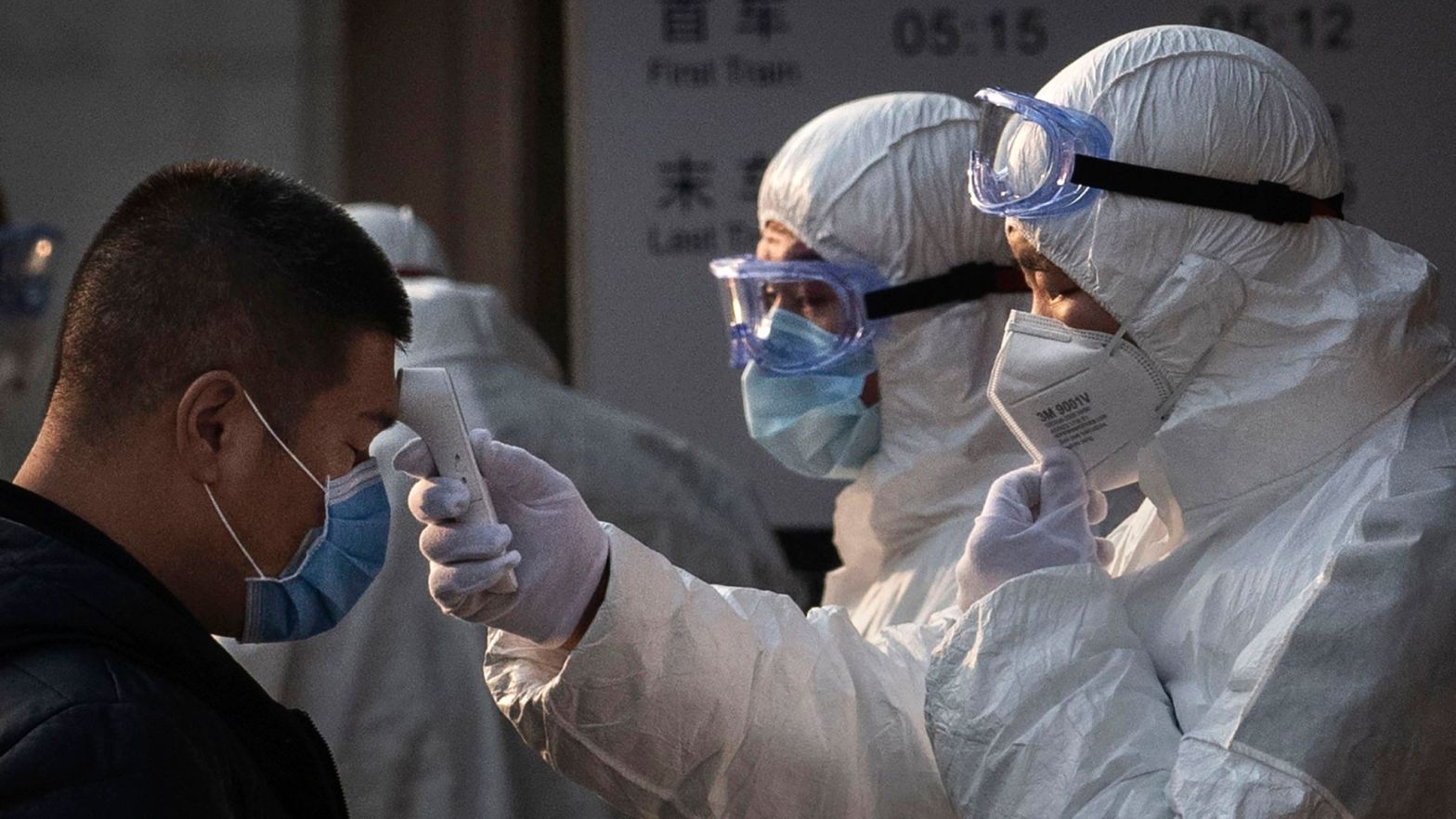
“Efforts to contain the outbreak have caused major disruption in China, with almost 20 cities facing travel restrictions, affecting at least 56 million people. Screening stations have been set up at bus, train and plane terminals nationwide.

China has banned the wildlife trade and extended the Lunar New Year holiday until February 2 to prevent transmission accelerating when people return from holidays.

Several countries have evacuated their citizens from Wuhan, while others have banned entry to Chinese citizens. Scores of airlines have suspended flights to and from China.”  -Courtesy: Al Jazeera News –

Mega Resources

https://www.who.int/emergencies/diseases/novel-coronavirus-2019/advice-for-public

First Wuhan coronavirus death confirmed outside mainland China – CNN

China coronavirus: All you need to know in 500 words – Al Jazeera

Coronavirus Heat map – John Hopkins CSSE

Video Resources

Dead Air*

Inside the world’s most deadly air space!

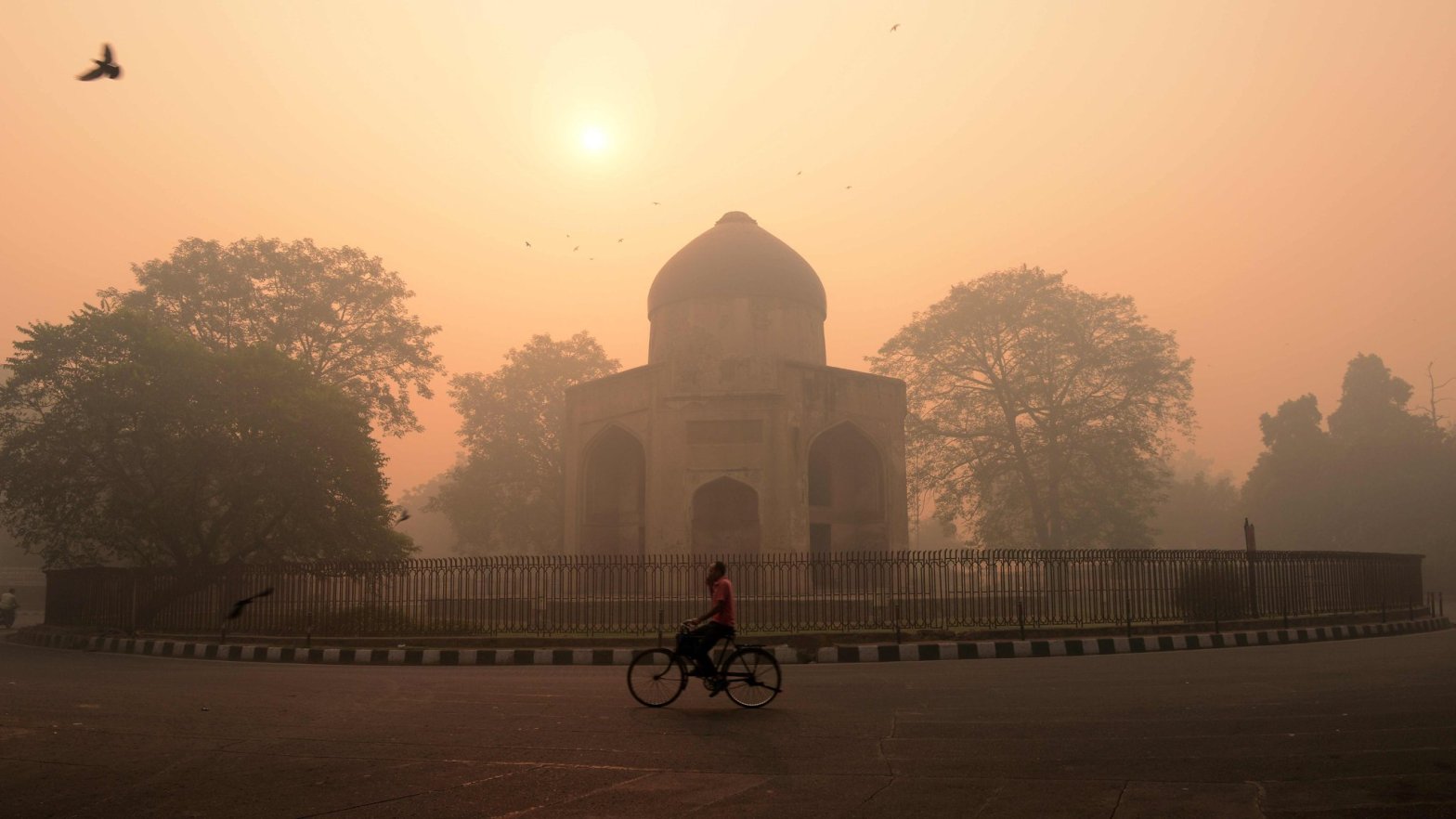
An Indian cyclist rides along a street as smog envelops a monument in New Delhi on October 31, 2016, the day after the Diwali festival. New Delhi was shrouded in a thick blanket of toxic smog a day after millions of Indians lit firecrackers to mark the Diwali festival, causing the air pollution to hit “severe” level. The pollutants breached the 1000 microgram mark in the Indian capital and shot up nearly 10 times above the normal level in the early hours of Monday, mostly owing to bursting of millions of firecrackers, according to a weather scientist. / AFP PHOTO / MONEY SHARMAMONEY SHARMA/AFP/Getty Images

I get nauseous and so dizzy. I have to go to the hospital or the doctor now.

-New Delhi resident-

Ground Zero- Understanding the problem

Officials have implored the people of New Delhi to stay inside, indefinitely. Five million children in Indiaโ€™s capital have been handed face masks. Everyone is to keep windows closed. Contrary to the most fundamental medical advice, the cityโ€™s chief minister urged residents this week to โ€œavoid outdoor physical activities.โ€

– The Atlantic-
Courtesy: Vox

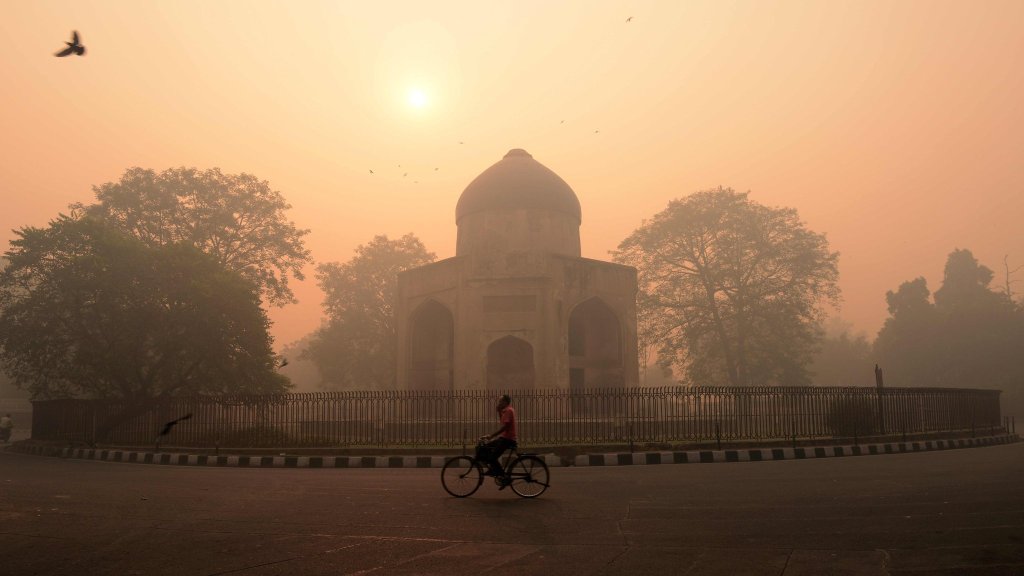
Look at the two images laid side by side, this is New Delhi. It serves as India’s Capital city, but what was once a beautiful city in the early months leading to September turns into a complete opposite in the months following October.

Quick Fact check

New Delhi is the world’s fastest growing city and by as of the last census it was estimated to have at least 28.5 million people.

World Bank estimates that by the next decade as we approach 2030 Delhi’s population could approach and even overtake Tokyo’s massive population with a projection of about 36.1 million people in this city alone.

Copyright: World Bank

But that raises a big problem, as population increases so does the pollution levels of a country and as you will observe in the next graph Delhi’s pollution level seems to be approaching an alarming level.

As is noted from the charts above, air pollution in New Delhi are constantly above the unhealthy levels all year round. This could possibly be attributed to the rate of constructions occurring in the region with increased population or even the increase in the number of vehicles with time.

If you look carefully too, the trend is that towards the months approaching October, the all-time total spikes, but why is that?

Courtesy: Statista

The Rice Problem

The real problem that causes the entire spike in detrimental air pollution does not originate in New Delhi, India but instead in the regions above New Delhi geographically and those are, Punjab and Haryana.

These two regions are associated with one main thing, Rice.

Courtesy: India Spend

Punjab and Haryana are the bread baskets of India and over the last few years with increased population levels the demand for rice has skyrocketed. This of course has had a negative effect on the environment.

Rice requires large amounts of water and with farmers growing rice all year round, the natural water levels in the soil in the months of January to June end up being heavily depleted and causing a major decline in the amount of the natural resource in the region.

So to regulate the amount of water authorities passed The Haryana Preservation of Subsoil Act in 2009 which banned rice planting before mid-June, that meant that rice farmers could not plant rice until just before the Monsoon season, which would ease and replenish the ground water, this pushes rice harvesting into the months of September towards the end of the year.

This significantly reduced the amount of time that farmers would have to prepare their farmlands for the next planting season, so farmers began to burn their rice stubble.

Courtesy: The Hindustan Times

The Butterfly Effect

Courtesy: Vox

The burning of the crop stubble coupled with the environmental conditions of the region at the time cause all the smog produced to go down to New Delhi.

First, the Himalayas act as a barrier directing the air towards New Delhi coupled with the cold air that originates during winter which together with the warm lowland air carries this Smog straight to Delhi.

In Delhi, when the air arrives it mixes with the dust and urban pollution in the region, the warm lowland air acts as a blanket over the region, preventing the toxic air from escaping. This is what causes the air pollution levels to skyrocket way above healthy and recommended levels.

When I open a New Delhi resident’s lungs today in every one of them I barely see pink healthy lungs and this is chaotic.

-Dr. Arvind Kumar- Founder trustee, Lung Care Foundation

In November of 2019 the Supreme Court asked the states of Punjab and Haryana to stop crop stubble burning immediately but thus far this has not yet changed, farmers still see it as the most effective way to clear their lands.

The Resolution?

Because New Delhi cannot be able to influence other states in India, it has decided in the months of October towards the end of the year, it halts all construction in the region and puts up restrictions on vehicle use. This reduces the amount of Urban Pollution in the area but as long as the upper regions of Punjab and Haryana continue burning their stubble, the smog will return year after year.

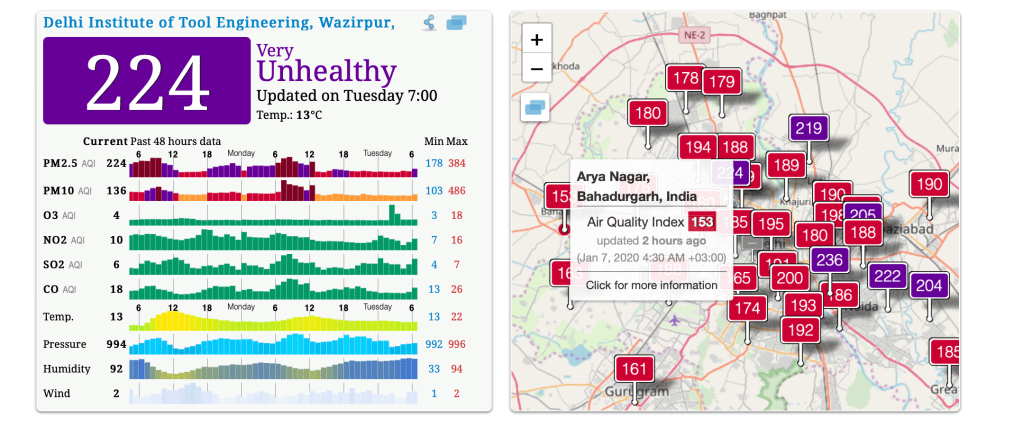
Below is a real-time chart of the air quality index today

Courtesy; Aquicn.org

Resources

Air Pollution Turned India’s Capital Into a ‘Climate Emergency.’ It’s Part of a Global Trend Killing 7 Million Prematurely Each Year– Time

We Are Running Out of Air – The Atlantic

Video Resources

What makes Delhi’s air so deadly – Vox

Technological Doping

The new way for most athletes to easily win in any sport!

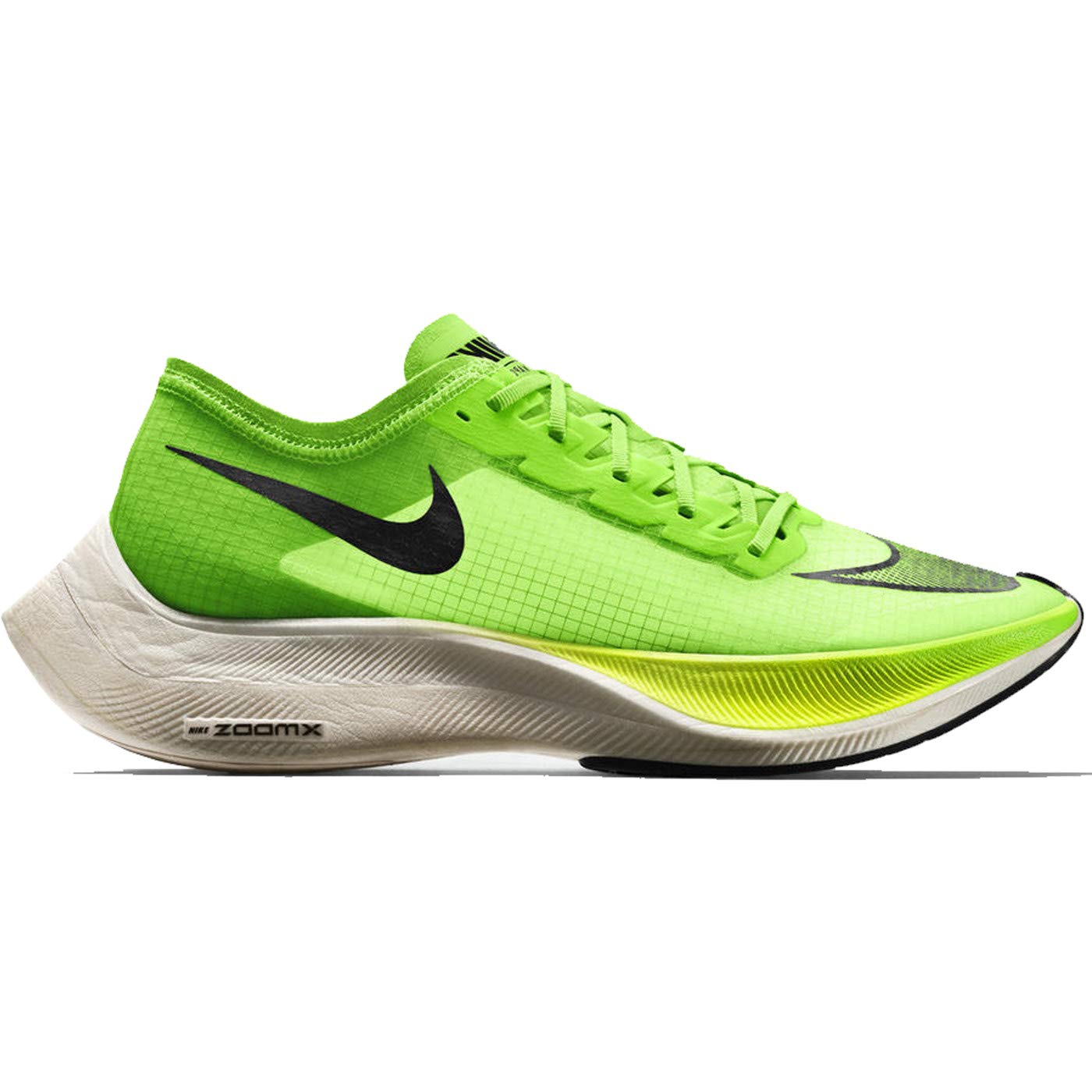
The ZoomX Vaporfly Next%, Nike’s latest elite running shoe.

“Those super-fast Nike shoes are creating a problem!”

By Amby Burfoot New York Times

On July 24th, 2020 the Tokyo Olympics shall begin and so far, all over the world athletes and respective agencies that will be over-seeing the games have been preparing endlessly for what should be a successful Olympic season.

The World Anti-Doping Agency (WADA) has so far been preparing round the clock by testing athletes all year round from time to time and offering guidance where necessary, to ensure that all athletes do not have any harmful chemical substances within their bodies which could potentially alter their performance; giving them an advantage over other players.

Did you know that athletes are even prohibited from having Caffeine in large amounts, that immediately strikes off all possible energy drinks and even medications. This is a show of how strict this agency can be.

But as the world advances, athletes and companies are seemingly finding new ways to beat the system. Welcome to the new era of doping: Technological Doping.

What is Technological Doping and what does it entail?

Technology dopingย is the practice of gaining a competitive advantage using sports equipment. Theย World Anti-Doping Agencyย (WADA) considers prohibiting technologies if they are “performance-enhancing” or “being against the spirit of the sport”. In 2006, WADA initiated a consultation on technology doping which is now officially recognised as a threat, whilst the decision to allow or ban a new technology, specifically relating to sports equipment, is the responsibility of each sportโ€™s own governing body.[1]

Cite: Wikipedia

To break this down it simply refers to the process by which athletes and sporting agencies use equipment such as: shoes, racquets and even sportswear, to enhance the performance of an athlete in any particular sport. This performance enhancement, may either be of harm to the sporting spirit itself or be used maliciously as a way to reduce competition. Making the playing ground uneven for other athletes.

Flashback to 2008

It’s the Beijing 2008 Olympics and the swimmers including stars such as Michael Phelps are lining up at the diving boards ready to dive for their countries, chasing the gold medals.

What the crowd would see on that day and the next few swimming races at the Olympics would be mind boggling.

Over those few days, 23 out of 25 swimming world records were broken in what seemed to be an extra ordinary show. But wait something’s wrong, 23 world records smashed all of a sudden at one event all by athletes wearing one common swimsuit…….. The Speedo LZR Swimsuit

In 2008 just before the Olympics, Speedo released a new type of swimming gear that would change the entire swimming industry.

The suit was different!

These controversial suits were faster and more high-tech than those used in the past. Made of polyurethane, the full-body suits work to trap air and allow for increased buoyancy. By compressing muscles, the suits also helped to reduce the workload for swimmers, thus reducing fatigue and allowing for improved stamina and a stronger finish at the end of a race.

Did I also mention that they were designed to mimic shark skin, by being fully hydrophobic, they allow athletes to reduce drag and maneuver faster in the water, increasing their overall speed and hydrodynamics.

Cite: Speedo

What would follow after the Olympics in 2008 were more records being broken at various events and that is when  FINA (Fรฉdรฉration Internationale de Natation) banned all body-length swimsuits. Men’s suits could only maximally cover from the waist to the knee. Women’s suits could only cover from shoulder to knee. They also stipulated that the fabric used to make the suits must be a โ€œtextileโ€ and the suit could not have fastening devices, such as zippers. These new rules took effect in January 2010.

Nike Vapourfly next%

For the last few years Nike has been working round the clock to investigate if at all runners could possibly get faster. They called in 3 athletes in 2017 including Champion Eliud Kipchoge and put them to the test.

That is when the term Breaking2 was coined with the goal being to break the two-hour barrier, they trained the athletes and gave them all the perfect conditions to ensure that they could possibly break the record.

Eliud Kipchoge at the INEOS 1:59 challenge on 12th October 2019

Well they achieved that goal on the 12th of October this year. Eliud hitting an official record time of 1:59:48. Proving amongst other things, that no human is limited.

While a lot of science and logistics went into planning the run and preparing Kipchoge. Th biggest aid of all? The shoes Nike made.

Eliud displaying his shoes, the Nike Alpha Next% a variation of the vapourfly edition
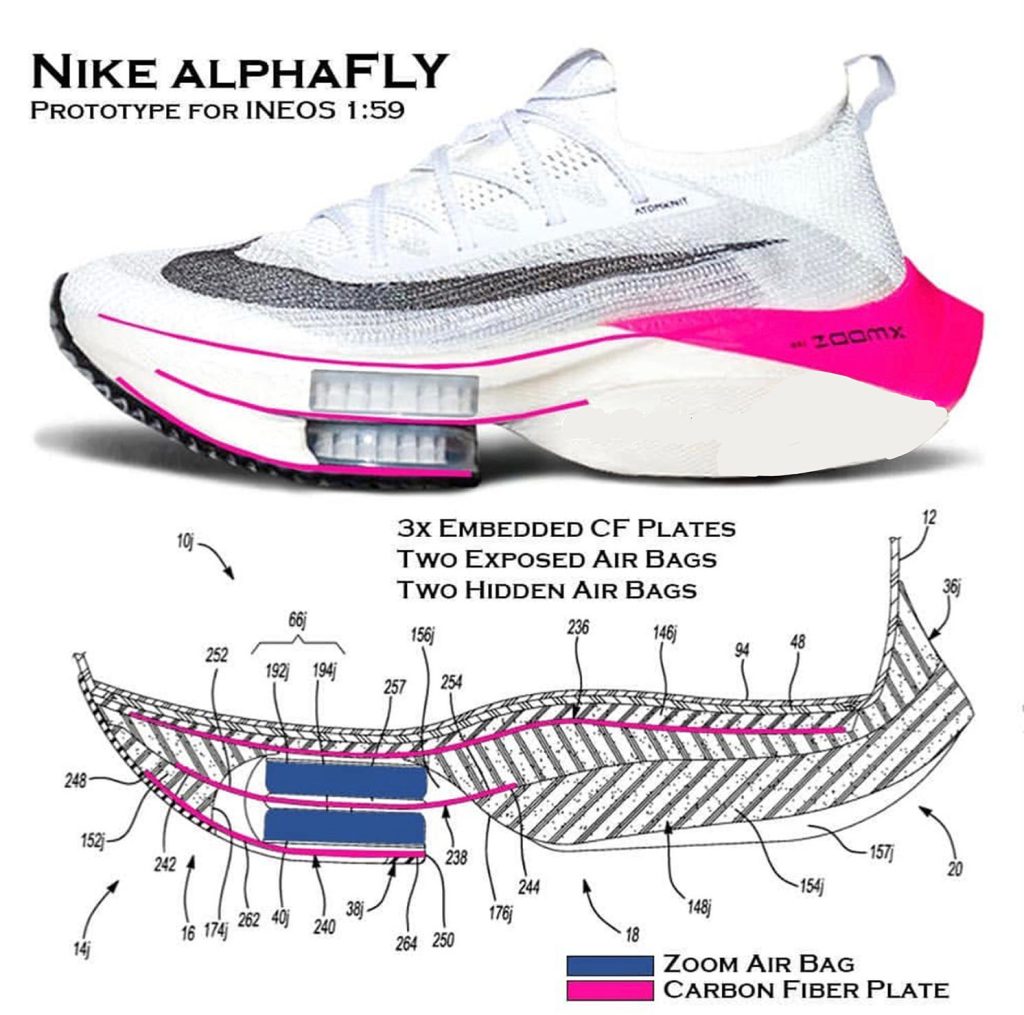
The shoe’s architecture, consisting of the zoom foam and the carbon fiber plates.

The carbon fiber plate plays a roleโ€”but not in the way many people think. When the Vaporfly was first unveiled, critics of the shoe speculated that the plate acted like a spring. But Hoogkamer’s findings suggest the plate’s spring function is negligible. What the plate does do is improves runners’ ankle mechanics by stabilizing the joint and reducing the load on the calves. At the same time, its stiffness helps keep runners’ toes nice and straight, allowing them to preserve the energy they would otherwise spend flexing them.

The midsole (Nike calls it ZoomX, but foam nerds know it as Pebax) is uncommonly compliant and resilient. Translation: It’s squishy and springy, respectively. Those properties enable the foam to absorb the energy a runner applies when their feet meet pavement and return a portion of it to their stride โ€ฆ somehow. How it works, exactly, remains unclear. The researchers originally hypothesized that the foam would save runners energy by reducing bending at their knees, but that turned out not to be the case.

These shoes coupled with Eliud’s phenomenal talent made him one of the greatest test runners today as he sprinted for the finish line. Though at the Chicago marathon days later. Brigid Kosgei breaks the Women’s marathon world record by 81 seconds, wearing the same type of shoes Kipchoge was wearing.

This began to raise eyebrows, especially towards Nike and the future of running and other sports, with a major concern.

The finish line.

The biggest concern is that Technological Doping could greatly harm the future of sporting. Not only in swimming and running have such adaptations been observed, but even in the field of Tennis, by changing the composites and materials that the racquets are made off.

Even in sports such as Basketball and Cycling where mechanical gadgets can be used to either propel the athlete forward or to help them master their skills by hiding a chip in their elbow sleeves. These technologies are sending WADA from end to end trying to find ways to curb these irregularities and save the future of the sporting industry.

The Biggest Concern?

The biggest concern is that only a handful of athletes in the various sporting categories will be able to access these technologies, and that’s right, only those who are sponsored by Nike or Speedo will have the upper hand. These companies patent their technologies and make it very hard for their competitors to find alternatives and that is what brings the whole ethical issue behind the growth of technology in sports.

But all in all, we better find a solution before the race gun’s fire at the Tokyo 2020 Olympics!

Keep It Sparky!

Resources

The Science Behind Nike’s New, Even Faster Marathon Shoe by Wired

High-tech Olympic ‘doping’? -CNN

Pulling All the Strings – New technology in tennis has proved at times harmful to the game, at times beneficial, but it is always controversial -WSJ

FOREST FIRES ARE NOT SO BAD!

Why Forest Fires are necessary*

Washington-DNR-Chiwaukum-WildFires 2014

โ€œWildfires, when allowed to burn in areas where they do not impact human development, are regenerative for the forest, revitalizing for the watershed, renew the soil, and reset the clock for the ecosystem.”

Dr. Timothy B. Mihuc
Professor of Environmental Science

Wait what?

Yes, when wildfires are set up in controlled areas within forests and reserves they cause a whole lot of good and that is super important for forest survival!

THROWBACK!

Back in the ancient times studies show that our age-old ancestors relied on lightning most especially to strike the tall trees and cause forest fires.

This was important because the forest fires would make it easy for them to get coal that they would use during the cold seasons and even clear the land for them to keep exploring various ways to survive.

It was important for them and what seemed to be a blessing for them, was a very important natural phenomenon for the forest itself.

Today we explore this age-old secret!

Case Study: Lodge-pole Pines

In the conifer rich forest of North West America as far north as the Yukon and south to Baja California, Lodge-pole Pines constantly seek the sun.

The seeds prefer to grow out in the glimmering sun where all the perfect conditions necessary for growth are satisfied. As they grow saplings compete for height as each tries to get as much sunlight as it possibly can. Growing straighter and more rapidly than its neighbors.

Overtime all the generations of tall elegant Lodge-pole pines will form an umbrella like canopy that harms the future generations of the forest, as enough sunlight does not get to the young saplings below.

To combat this, Lodge-pole pines produce two types of cones.

Annual cones that are able to release seeds spontaneously, and Serotinous cones which are much harder and require an element like fire to trigger the release of the seeds. They have a thick shell that is waterproof and ensures that weather elements do not destroy its contents.

This type of cone is produced in thousands and many are able to survive on the tree for more than decades. This also ensures that cones that fall to the ground are stable and okay!

Serotinous cones

Lights, Fires, Action!

When these seeds fall to the ground and an element like fire raises the temperature of its overall surrounding. The serotinous cones are triggered and seed production begins!

But fire? In a forest? Devastating!

Not so much.

Once the forest is on fire in a coniferous forest. The forest fire flames are able to thrive by climbing the rich undercover of the forest with species such as Douglas Fir, a rich tree species that is able to thrive under the reach cover of the tall Lodge-pole Pines.

This allows the fire to climb up to the taller Lodge-pole Pines and this allows the forest fire temperatures to skyrocket well above 1,320 degrees Celsius. This is way above the 40-60 degrees Celsius required for the serotinous cones to pop open!

At such temperatures the cones burst and release millions of seeds that are carried away by the prevailing winds at the time. To open ground to form new forests.

The rich carbon from the trees and the new open grounds, provide a tonne of sunshine that is essential for the beginning of new life.

“From the death of the old forest comes the rise of another…”

Jim Schulz

Eco-Friendly Fire!

Without the existence of wildfires, key species of trees would disappear completely and so will the live creatures that depend on them.

More importantly, without forest fires, there is an intense growth of trees in the forest which induces a large amount of the fuels within it. This would lead to an even more catastrophic fire in the event that one was to breakout. This would destroy the forest completely and harm the lives of peoples property and lives.

This is why forest rangers and managers, often cause controlled forest fires in different forest regions that help reduce the fuel potency of the forests.

The Bottom Line

The bottom line is pretty simple.

All in all it is important to note that forest fires may be damaging but by understanding that they yield life and can indeed be controlled by the right measure. It is up to us to ensure we do all that is possible to ensure that we sustain the continuity of life and that we keep the even more harmful forest fires at bay.

#PRAYFORTHEAMAZON

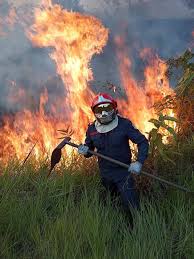
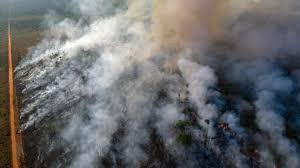
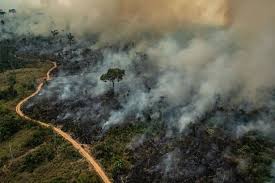
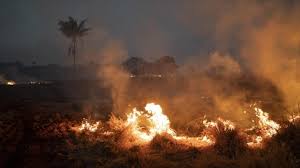
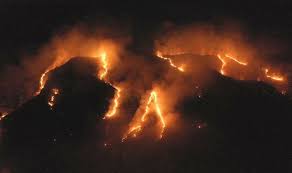
The current situation in the Amazon Forest is an example of a devastating forest fire that has gone on uncontrollably for the last four weeks now. Below are some images and resources that will help you know and understand the current situation.

Let us join together, pray and support the biggest forest in the entire world! One of the most beautiful ecosystems in existence!

Resources

Everything you need to know about the fires in the Amazon – The Verge

Amazon rainforest fire: How to spot inaccurate photos on social media – CNET

Video Resource: Why Wildfires are necessary – Jim Schulz

Photoshop for Space!

How NASA uses Color Science to create beautiful color Images of Space.

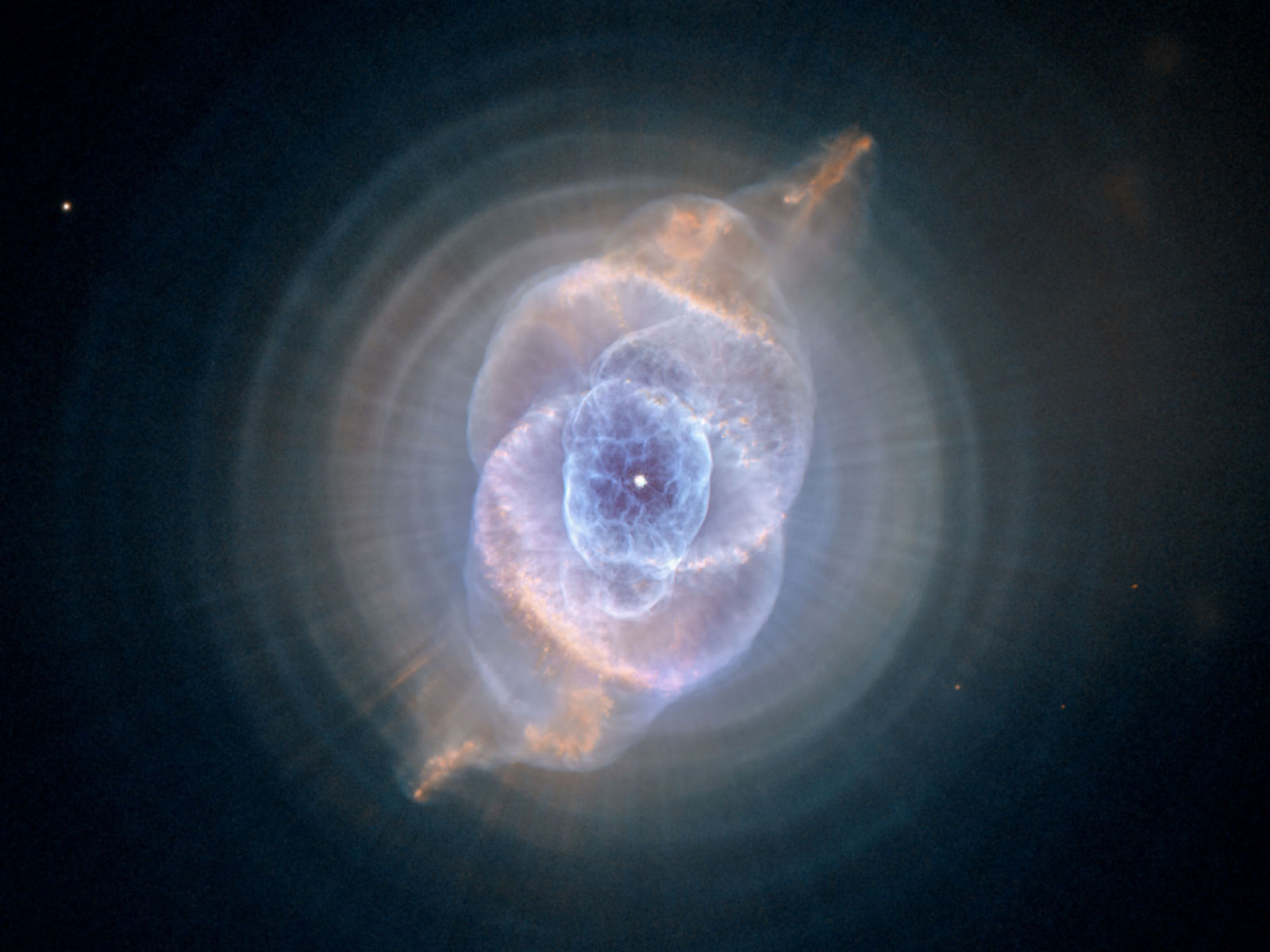
Photo: This is THE CAT’S EYE NEBULA as observed by the Hubble Space Telescope

Site Sight*

Yes you saw that! And this too!

So how do we see?

To understand how colors work we must first understand how we see in real life. Believe me its more complex than it seems but yet very easy to understand!

As you can see above in the internal structure of the eye we have the retina at the very back of the eye. If you think of your eye as a camera, then the Retina would be the photographic film. This is where the light strikes and an image is recorded.

Now the retina also contains nerves the nerves relay information to the photo receptors that then tell the brain what the eyes are seeing. Now there are two types of receptors. Cones and Rods. But we will focus on Cones.

Now cones are microscopic and lie within the retina of the eye and are very special. This is because they help us do something fundamental and that is interpret visible light.

Visible Light Spectrum

We know that the Electromagnetic Spectrum varies with wavelength and frequency. Giving us Infrared and UV lights even radio waves and microwaves. Now if you think about it, Visible Light lies somewhere in the middle.

Visible light as the name suggests is the light we can see.

The spectrum looks like this;

The Visible light Spectrum

Rainbow like colors yes?

But what are the main colors of the rainbow?

Red, Green and Blue. (RGB)

Now back to the cones in your eye. They are three for each color: Red, Green and Blue. Below is a photo of the cones and the EMS.

The Cones in our eyes.
Cone representation on the EMS

Forget the rainbow and all its colors. Now understand that all those colors are a composite of the three colors mixed to bring out all the different colors like Burgundy or Teal and Cyan. Even Beige (a pale sandy fawn color. Source: Wikipedia) like I even understand what that meant…but yeah so do you.

RGB Venn

RGB COMPOSITE FT: ALIM KHAN

Alim Khan: Photo as taken in 1911

See this photo, this is Alim Khan. This photo was originally black and white. Full color cameras were released in the 60’s and 70’s. After gaining loads of popularity. This photo was originally shot in black and white but with a trick to it.

The photographer at the time used three different filters for the three main colors of the spectrum, RGB.

The filters allowed the respective colors to penetrate most as per the filter as seen on the right of the image above are the three composites with Blue at the top that’s why the clothes look almost white, then Green and Red.

Now when all those different photographs are put together in their different color composites. That is with blue as the overlay and so on. They make a full color photograph of Alim Khan as first suggested by James Clerk Maxwell in 1855 and then shot and tested by Thomas Sutton.

Now the same theory is what we do today at NASA.

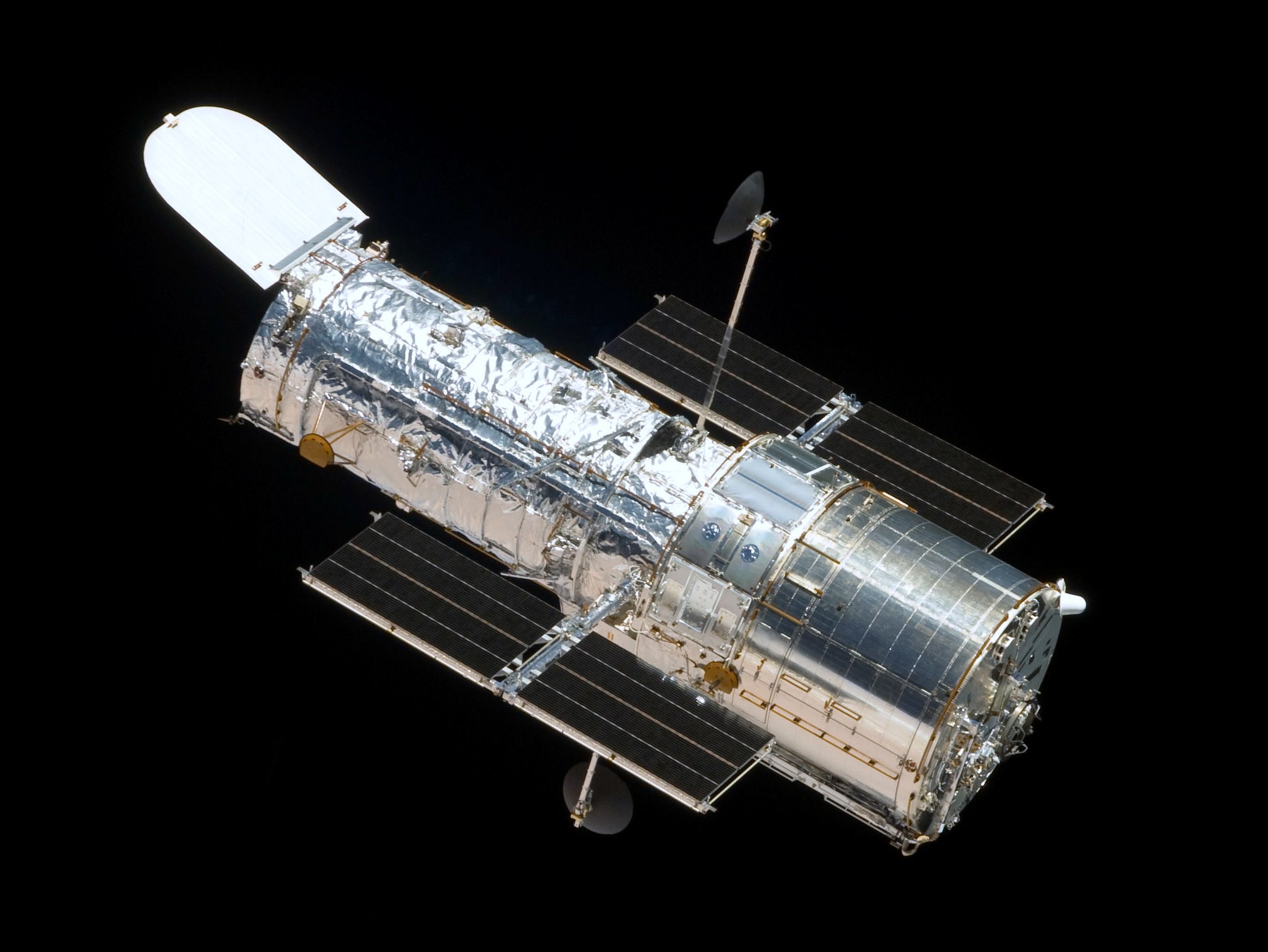
The Hubble Space Telescope, HST

The Hubble Space Telescope

The Hubble Space Telescope has been in existence since 1990 and is this amazing NASA telescope that orbits the earth and is suspended in it.

It was not the first space telescope, but it is one of the largest and most versatile and is well known as both a vital research tool and a public relations boon for astronomy.

Wikipedia

The Hubble Space Telescope takes amazing shots of deep space and even the planets around us. In context it has been able to probe the black hole of the majestic spiral galaxy NGC 3147 located 130 million light-years. That is light would take about 130 million years to reach your eye.

The Spiral Galaxy

To do this it has to maximize light to the best of its advantage to get super clear photos that you see around.

This is best done in black and white.

Lastly let us Photoshop!

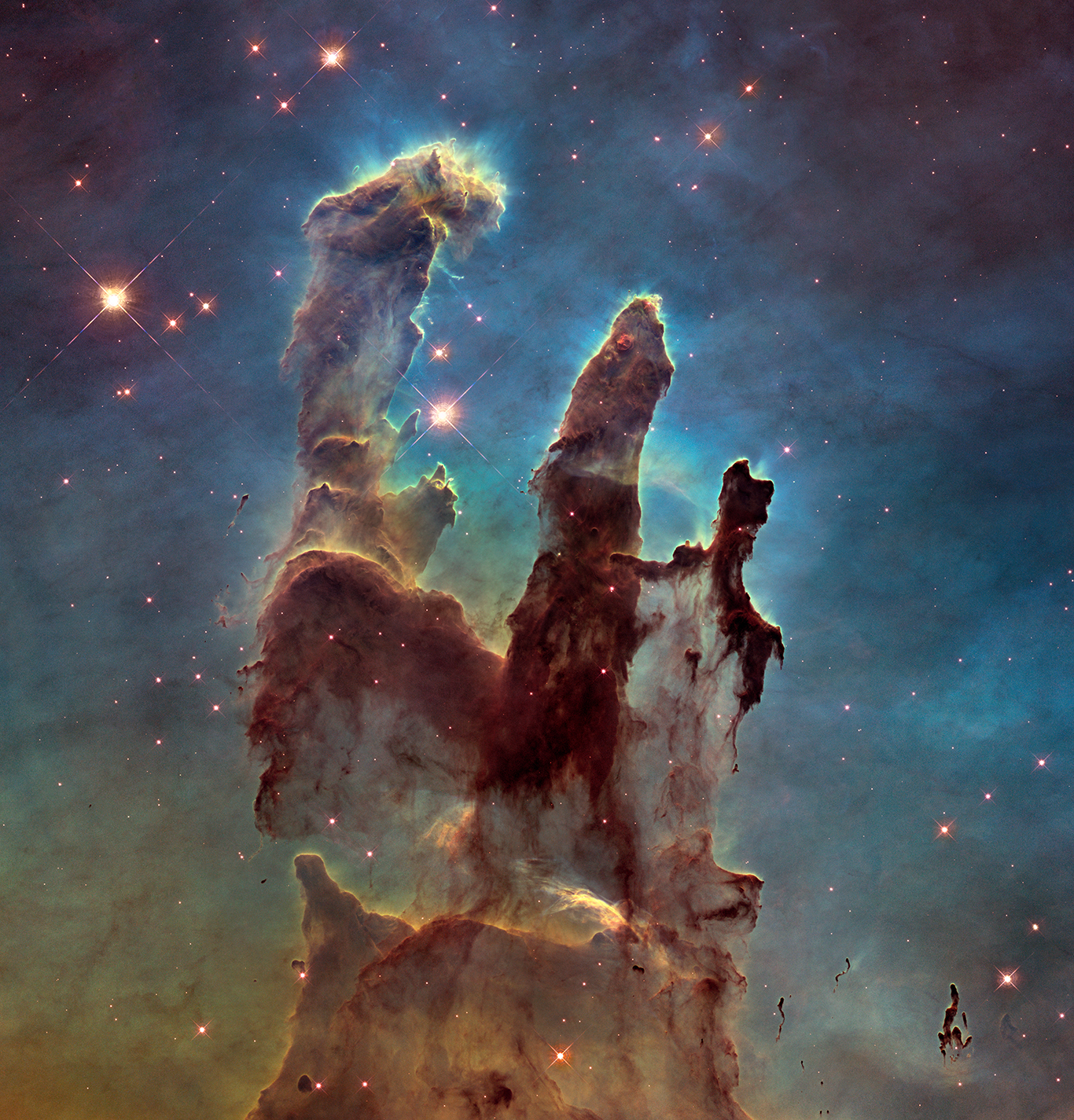
Now you’ve probably seen this image:


Source: NASA Gov

They are called the pillars of creation because if you zoom in a little closer you will see gases and explosions yielding new stars!

NASA’s Hubble Space Telescope has revisited the famous Pillars of Creation, revealing a sharper and wider view of the structures in this visible-light image. Astronomers combined several Hubble exposures to assemble the wider view. The towering pillars are about 5 light-years tall. The dark, finger-like feature at bottom right may be a smaller version of the giant pillars. The new image was taken with Hubble’s versatile and sharp-eyed Wide Field Camera 3. The pillars are bathed in the blistering ultraviolet light from a grouping of young, massive stars located off the top of the image. Streamers of gas can be seen bleeding off the pillars as the intense radiation heats and evaporates it into space. Denser regions of the pillars are shadowing material beneath them from the powerful radiation. Stars are being born deep inside the pillars, which are made of cold hydrogen gas laced with dust. The pillars are part of a small region of the Eagle Nebula, a vast star-forming region 6,500 light-years from Earth. The colors in the image highlight emission from several chemical elements. Oxygen emission is blue, sulfur is orange, and hydrogen and nitrogen are green. Object Names: M16, Eagle Nebula, NGC 6611 Image Type: Astronomical Credit: NASA, ESA, and the Hubble Heritage Team (STScI/AURA)

NASA GOV

Having understood that the pillars of creation are a composition of the three gases Oxygen, Sulfur and Nitrogen. It is now time we Photoshop!

The Hubble takes the photos with the composites, Red Green and Blue according to the emission of the gases.

The filters original images are as seen below:

Color Composite source: Gizmodo

Now in Photoshop the three different photos as taken in their RGB filters are overlayed with their respective color narrow- band wavelengths. Then combined and retouched. Presenting a wonderful image that is not only for wallpapers, but that NASA uses as data.

If NASA wanted, they would leave all of the photos taken, in black and white. The purpose is greater and that is DATA.

The same happens with the planets in orbit like Jupiter, Saturn and the likes which are far away. To get the accurate colors we use the three color composite method only now we use a broadband spectrum as the objects are solid hence in true color.

Jupiter source: Vox

Takeaways?

No not that the photos are not real and are thus photoshoped. No that is not it!

The key takeaway is that scientists have to understand the key color science components and even understand the biology and physics behind your eyesight in order to allow scientific development such as the wonderful exploration of space to go on!

Nonetheless, as I said, NASA could’ve left them in black and white but that wouldn’t help many of us as such (Wallpapers). They do it because of the data that comes from it and the result of constant analysis and use of tools such as Adobe’s Photoshop are what yield wonderful developments and growth in space and science itself.

That is all for today, Keep Sparky!

I’ll leave a collage of my the best shots I obtained of space while writing this blog!

Video Resources

Vox: How Scientists Colorize photos of space!

National Geographics: Iconic Space Images are actually black and white!

The GMO that will stop Malaria.

Gene Drive and Malaria!

‘the researchers had hacked the rules of inheritance’

Vox Docs
  • Malaria Facts: Source: WHO
  • Malaria is a life-threatening disease caused by parasites that are transmitted to people through the bites of infected female Anopheles mosquitoes. It is preventable and curable.
  • In 2017, there were an estimated 219 million cases of malaria in 87 countries.
  • The estimated number of malaria deaths stood at 435 000 in 2017.
  • The WHO African Region carries a disproportionately high share of the global malaria burden. In 2017, the region was home to 92% of malaria cases and 93% of malaria deaths.
  • Total funding for malaria control and elimination reached an estimated US$ 3.1 billion in 2017. Contributions from governments of endemic countries amounted to US$ 900 million, representing 28% of total funding.

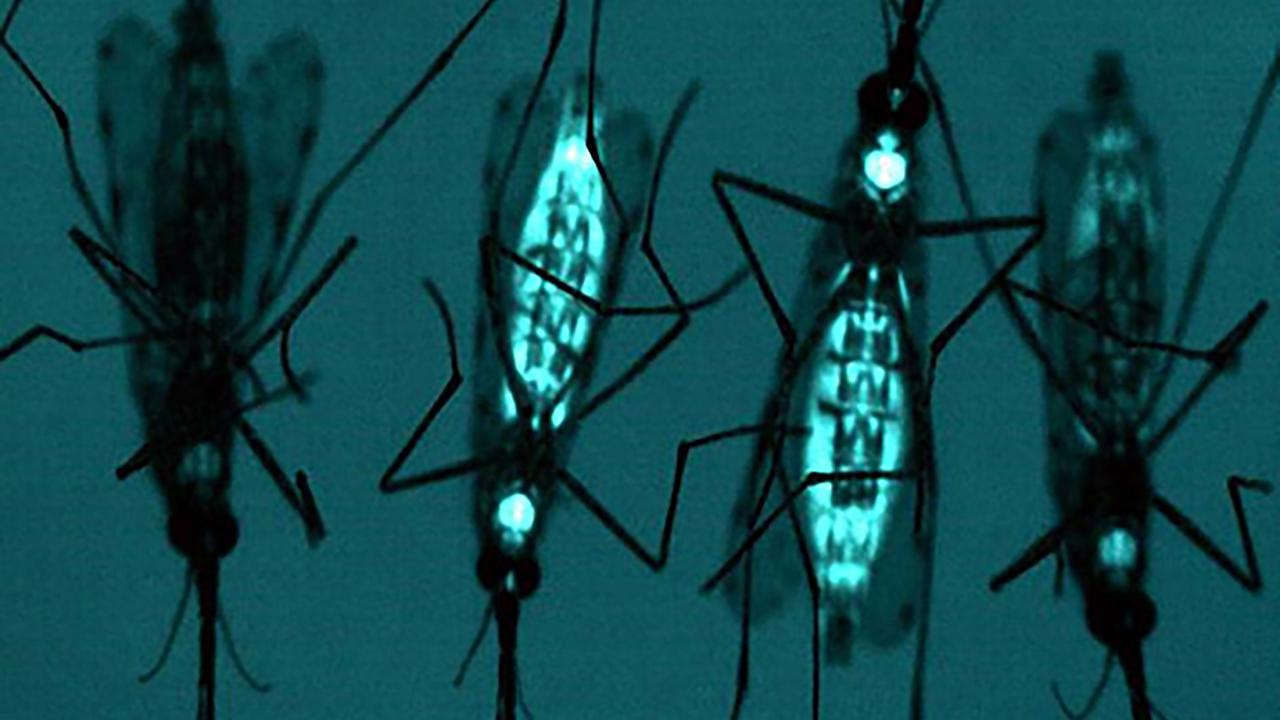
You see those mosquitoes up there those aren’t just any ordinary mosquitoes those mosquitoes are made to glow blue in variant laser light.

But that fluorescence is just a marker, it shows that something profound happened to those mosquitoes and their larvae. They have been genetically engineered to glow that way under that particular light.

Now this is not any normal success because those mosquitoes are the anopheles gambiae these mosquitoes are known to transmit malaria.

Now, only one of the parents of the mosquitoes only had the gene unit, you’d expect that only 50% of the mosquitoes would have the gene unit. But what is even more profound is that all the offspring 100% of that mosquito had the same gene copy across all of them. These scientists had indeed hacked the secret to gene drive biology.

CRISPR -Cas9

Source: forbes.com

CRISPR is a gene editing tool that has been recently developed. It allows scientists to make precise edits to gene structures in micro-organisms such as viruses and bacteria, to the complex structures of humans and even mosquitoes. Gene drive on the other hand allows us to completely change the genetic composition of organisms by affecting only few individuals who then continue the transfer of this modification onto its subsequent generations.

This tool is very powerful and is hence what holds the future for eradicating malaria off the surface of the earth and therefore saving more children all over the world!

In this case the goal is to completely change the genetic composition of the malaria transmitting species of mosquitoes–Anopheles gambiae, Anopheles coluzzii, and Anopheles arabiensis– by use of the gene drive technology that hence allows for these species to be resistant to contracting the malaria infecting parasite.

CRISPR gene drives combine the gene drive idea with the CRISPR gene editing technique. They were first proposed in a 2014 paper โ€” and the world of malaria research immediately realized the opportunity the idea presented. Target Malaria, a research consortium uniting Imperial College London with partner institutions in Burkina Faso, Mali, Uganda, and Ghana, is currently working with much more limited genetic engineering techniques to fight the disease. But according to engagement manager Delphine Thizy, they are hoping to apply for approval to test gene drives in the field as soon as 2023. They released an early non-gene drive mosquito in Burkina Faso in June 2019 as preparation

The science behind the tool, while not quite ready for release, is very, very, very close. I asked Ethan Bier, a professor at UC San Diego and one of the first people to help build an actual working CRISPR gene drive, how soon a drive targeting malaria could be released, as a scientific matter.
Bier hesitated, and stressed that we shouldnโ€™t release anything without regulatory approval and much more consideration. But he concluded, โ€œTo be honest with you, if there were some kind of emergency and one absolutely needed to do it, we could pretty much do it.โ€
And Esvelt, whose work helped pave the way for Target Malariaโ€™s efforts, is terrified, simply terrified, of a backlash between now and then that could derail it. This is hardly a theoretical concern. In 2002, anti-GMO hysteria led the government of Zambia to reject 35,000 tons of food aid in the middle of a famine out of fear it could be genetically modified. Esvelt knows that the CRISPR gene drive is a tool of overwhelming power. If used well, it could save millions of lives, help rescue endangered species, even make life better for farm animals.

-Vox Observatory

If a mistake was made to the gene drive system, their could be a potential mutation that would cause a worse effect than that present. Thus, a bad rapport for this potentially successful technology.

So how does CRISPR-Cas9 Gene Drive Work?

It works by inserting the gene editing tool itself into the target mosquito’s DNA from there CRISPR induces the cell to copy the package to the matching chromosome of the mosquito.

Like us most of us, mosquitoes have one pair of chromosomes and now that the gene drive has copied the package on to the two chromosomes then every subsequent offspring of that mosquito will have the same modification and it goes on and on and on!

So depending on what is attached to the gene editing tool like the blue fluorescent gene then every mosquito down the line will have the same nature as its parents.

This is very important for the drastic measure to combat the malaria causing parasite.

The team at the Imperial College London mainly catalyzing this research is part of a foundation called Target Malaria that are carrying out intense malaria projects to see both malaria come to an end. This organization is mainly funded by the Bill & Melinda Gates Foundation and they are aiming to stop malaria infection and suppress it using the gene drive technology.

Their drive is mainly focused towards ensuring female infertility that is less female anopheles mosquitoes in the entire mosquito population.

Then there is another team at the University of California whose main aim is to enhance the mosquitoes such that they cannot be able to contract the malaria causing parasite. Thus, not being able to transmit it between humans.

The trade off

The big tradeoff is that we need to carry out rigorous testing to ensure that it works.

Hence, we need to do it right because we need to save the kids. We need to be able to be certain and save the children now. That means ensuring this genetic technology is right and travels across borders.

For now, there are Target Malaria stations all over the world and Africa that are ensuring that the spread of malaria is contained using none genetically modified mosquitoes.

The Big Fear

The Big Fear is that the politics of genetically modified crops will spill into this great accomplishment about to be realized.

All in all the biggest barrier is nature itself but we have been able to take risks before and being able to eradicate Small Pox for example involved messing up with nature. At the end of the day we need to be able to overcome this barrier in order to successfully see malaria come to an end.

Read More

Michael Specter‘s article on Rewriting the Code of Life

The Extinction Invention Antonio Regalado‘s article

A simple guide to CRISPR, one of the biggest science stories of the decade by Brad PlumerEliza BarclayJulia Belluz, and Umair Irfan

Brad Plumer‘s Gene Drive article on the tool that could transform the world!

Videos resources:

Vox Observatory’s The bold Plan to end malaria with a gene drive

Kurzgesagt-In a Nutshell’s Genetic Engineering & Diseases-Gene Drive & Malaria

Welcome to my Blog!

Hey there!

My name is Ryan Napo and I have a powerful urge to create scientific awareness across the board through this science blog.

I am very passionate about science and I hope you are too. This blog is meant for you. I will be working hand in hand with you to fine pick and curate the topics that will be focused in this blog. Today as I begin this blog I have uploaded my first blog. It was an ultimate favorite and I hope you enjoy it.

Feel free to like, comment and share this blog with everyone who you feel would be interested in getting to know more about the world’s fascinating nature.

//its going to get sparky!

Design a site like this with WordPress.com
Get started